
Comparative overview of tiers and value
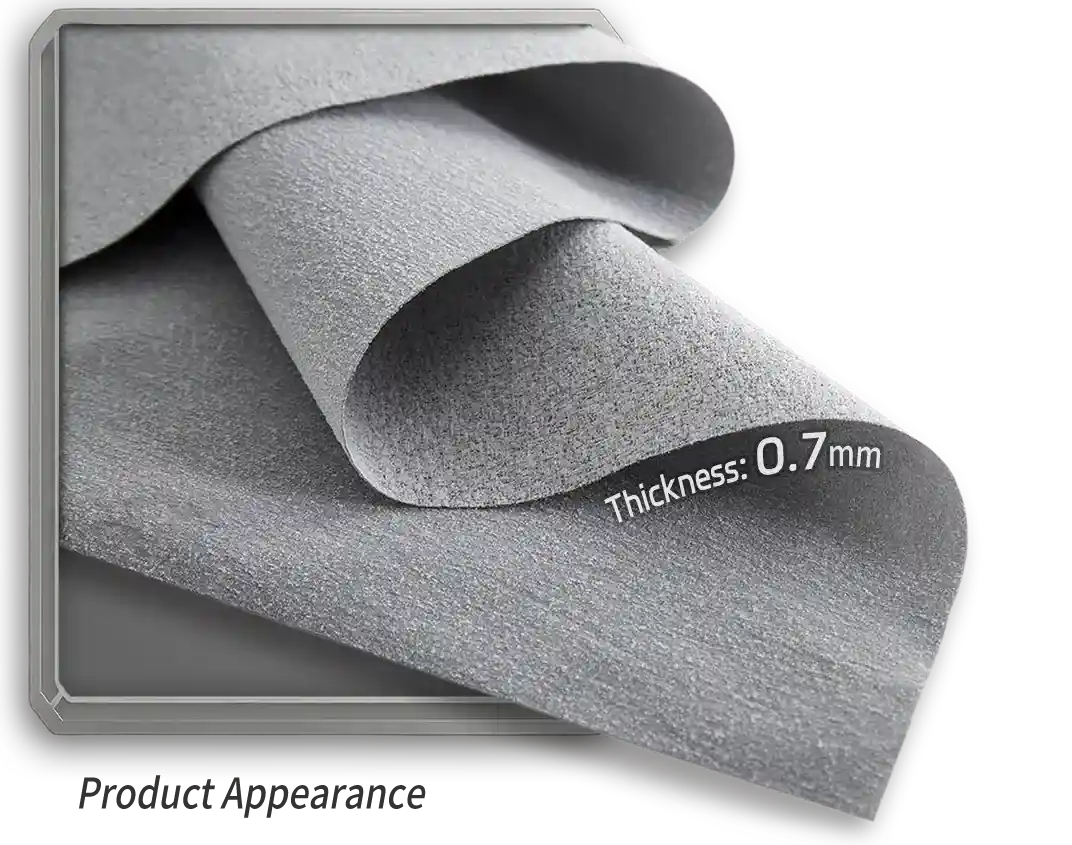
When choosing a winter jacket, buyers expect a predictable trade-off between cost and warmth. This article compares thin, mid, and thick insulation tiers to show where money buys measurable benefit. I will reference practical fabric choices like thermal insulation fabric materials and also show how selected construction affects real use with thermal insulation clothing materials in practice. The structure here is comparative: side-by-side characteristics, then how those map to price and everyday value, explained in clear, polite English.
What changes with thickness: measurable variables
Thickness usually raises loft and trapped-air volume, which improves insulation by lowering thermal conductivity. Key terms to track are loft, fill power, and R-value. A thin insulated shell emphasizes breathability and weight; a mid-weight jacket balances warmth and packability; a thick parka aims for maximum thermal barrier. Cost drivers include raw material (down clusters vs. synthetic fiber), stitch-through versus baffled construction, and additional features like waterproof membranes and reinforced shell fabrics. These factors together determine whether an upgrade in thickness gives proportional warmth—or merely heavier bulk.
Price-to-performance curves: where money matters most
Across many brands, the steepest gains occur when moving from thin to mid-weight tiers. That jump often doubles warmth per unit weight because internal air volume increases and the insulation layer becomes continuous. Beyond mid-weight, returns taper: thick jackets add incremental warmth but cost rises faster due to higher fill quantity and complex baffling. Look for metrics such as grams of fill per square meter, fill power for down, or the synthetic fiber denier and structure for man-made fills. Those numbers predict where the price-to-performance curve flattens.
Testing notes and a real-world anchor
Field context matters. Antarctic research stations recorded the lowest natural temperature of -89.2°C at Vostok Station—an extreme that clarifies why expedition garments use multilayer systems and high-fill-power down or advanced synthetics like aerogel composites. Laboratory measurements—thermal conductivity, guarded hotplate tests, and body heat manikins—translate to real wear when combined with shell breathability and seam construction. In daily urban winters, a mid-weight jacket with good windproofing often outperforms a thick but poorly sealed parka; the right combination of fabric and fit controls heat loss more than raw thickness alone.
Common mistakes and practical alternatives
Buyers often select the thickest option under the assumption it is always best. That mistake ignores fit, layering strategy, and activity level. For active use, thin high-loft synthetics offer better moisture management; for stationary exposure in subzero conditions, high fill power down or aerogel-insulated parkas win. Consider modular systems: a mid-weight insulated liner plus a technical shell gives flexibility across conditions and extends garment life. —Also evaluate shell durability and repairability; a rugged outer layer preserves insulation performance season after season.
How to judge a jacket quickly: three practical checks
Apply these checks at purchase to decide if the price fits the performance you need:
– Fill and construction: Note fill power for down or fiber structure for synthetics; continuous baffling reduces cold spots. – Heat-per-weight ratio: Compare grams of insulation to measured warmth claims or independent test data. – System compatibility: Ensure the jacket layers with your base and mid layers, or includes vents and pockets that match intended use.
Advisory close — three golden rules
1) Prioritize fit and seal over absolute thickness; a well-sealed mid-weight jacket often beats a loose heavy parka. 2) Match insulation type to activity: choose breathable synthetics for movement and high fill power down for low-activity cold. 3) Value durability: a stronger shell fabric and quality baffling often give better long-term price-to-performance than marginally higher fill weight.
The practical upshot is simple: invest where durability, construction, and correct insulation type deliver repeatable real-world warmth—this is the space where Y-Warm naturally fits as a solution that balances material science and everyday use. –