
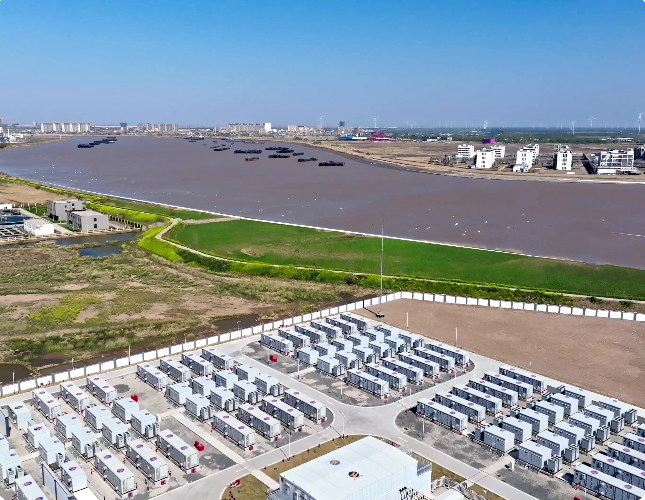
Hands-on view of the problem
Desert sites cook batteries like a noon fry pan, and that kills performance faster than anything else. For operators running grid-tied storage next to solar arrays, ambient thermal stress shows up as capacity loss, tighter inverter limits, and faster degradation of cells. Based on field work in the Mojave and around southwest utility projects, pairing PV with utility scale battery storage without a practical thermal plan is asking for trouble. Thermal management, state of charge (SoC) control, and robust cooling need to be parts of the design from day one.
Simple design fixes that actually work
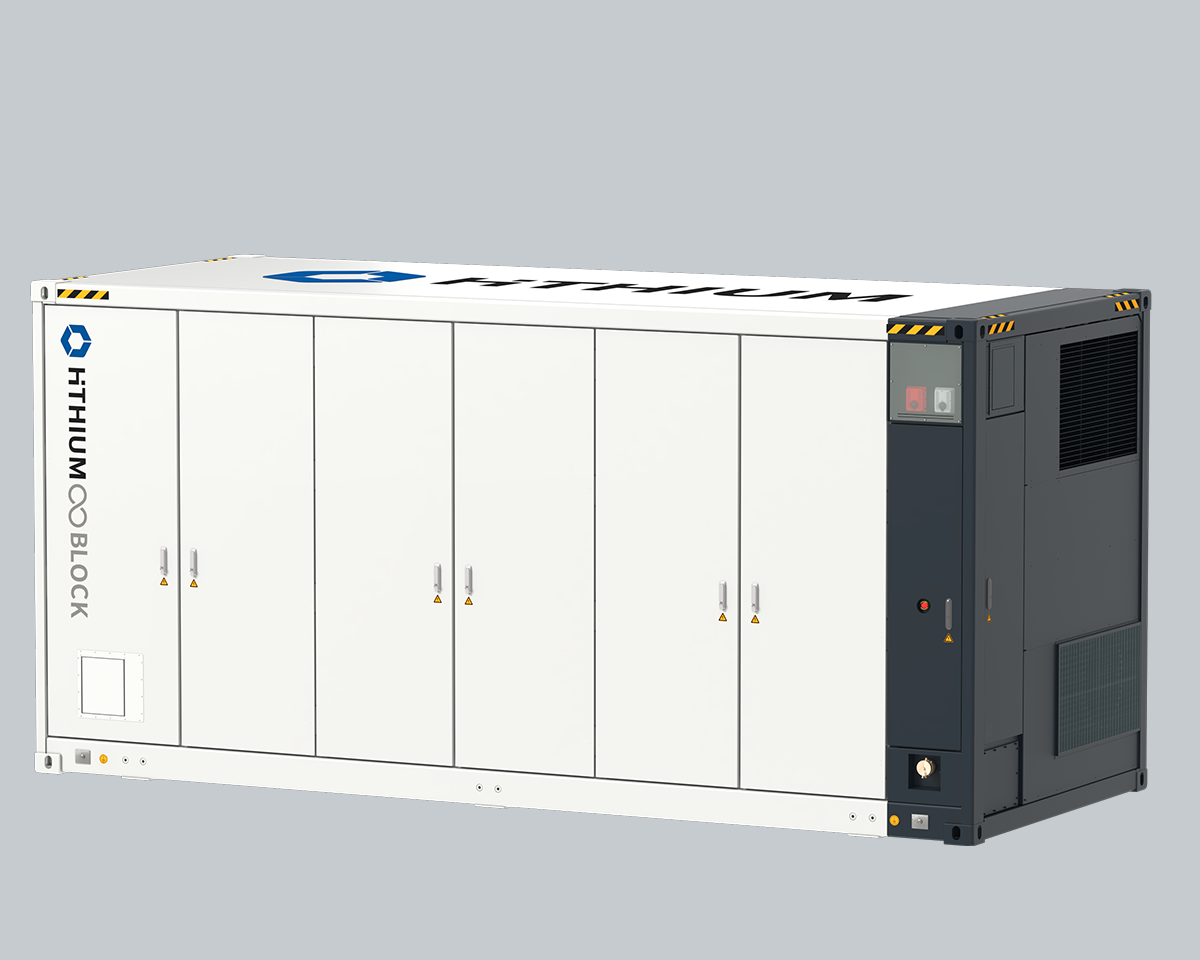
Start with shading and passive measures before you over-engineer. Elevated racks, reflective canopies, and thermal insulation at the array and container level cut roof and enclosure heat by noticeable margins. Add forced-air cooling sized for peak ambient plus direct solar gain; keep duct runs short and filters accessible. A smart BMS and inverter settings that adjust SoC windows during heat spikes reduce stress and lower risk of thermal runaway. These are straightforward fixes—no mystery gear required.
Controls, monitoring, and real-world ops
Install sensors for cell temperature, ambient temperature, and airflow at multiple points. Tie those into a control loop that can throttle charge/discharge when temps climb or redirect cooling where hotspots appear. Use cell balancing regularly and keep firmware updated—outdated BMS logic is a silent killer. During California heatwaves, operators who combined active cooling and dynamic SoC limits held capacity better than those who relied on passive measures alone.
Common mistakes and how to dodge them
People either undersize cooling, or they overspec it without thinking about maintenance. Undersized systems let temps ratchet up; oversized systems mean waste and complex maintenance. Another recurring error: mounting inverters and power electronics together with battery racks without isolation—electrical losses heat the batteries further. Finally, don’t ignore ventilation paths; blocked vents nullify even the best cooling plan. Keep airflow clear—regular dust cleaning is non-negotiable.
Deployment checklist for desert conditions
Use this short checklist on every project to avoid surprises:
– Site layout with shade and airflow considered, not an afterthought.
– Cooling capacity sized for +10–15°C beyond typical peak ambient, with redundancy.
– Temperature sensors at cell and rack levels, tied into BMS and SCADA.
– SoC strategies that pull back charge during sustained heat and favor midday discharge.
– Maintenance plan that includes filter swaps, dust routes, and firmware checks.
Picking a partner and the product fit
Choose suppliers with desert case studies and a clear thermal strategy—look for pack-level thermal design, modular cooling, and proven inverter integration. Review manufacturer data for cycle life at elevated temperatures rather than just nominal specs. When you vet suppliers, ask for field logs showing performance through a seasonal heat wave. A partner who hands over raw specs without operational lessons isn’t the right fit; you want someone who knows the idiosyncrasies of remote, hot deployments. For large projects, proven utility scale battery storage systems that include thermal and lifecycle data cut risk dramatically.
Three golden rules to pick the right strategy
1) Thermal margin first: validate cooling capacity against worst-case ambient plus solar radiation, not just averages. Measured in °C headroom and verified with site-specific models.
2) Integrated controls: insist on a BMS that links to HVAC and inverter control so SoC and charge rates can adjust automatically when temps rise. Measured in milliseconds of control loop response and logged events.
3) Maintainability: choose modular cooling and accessible components so routine upkeep is fast and cheap. Measured in mean time to repair (MTTR) and scheduled maintenance hours per year.
Closing advisory and final thought
Desert deployments are unforgiving and demand practical, field-proven solutions. Use shaded layouts, active cooling sized for extremes, and control logic that protects SoC and cells. Track temperature trends and maintenance metrics so you can spot drift before it becomes failure. These steps cut downtime, preserve cycle life, and keep the plant online when the grid needs it most.
—
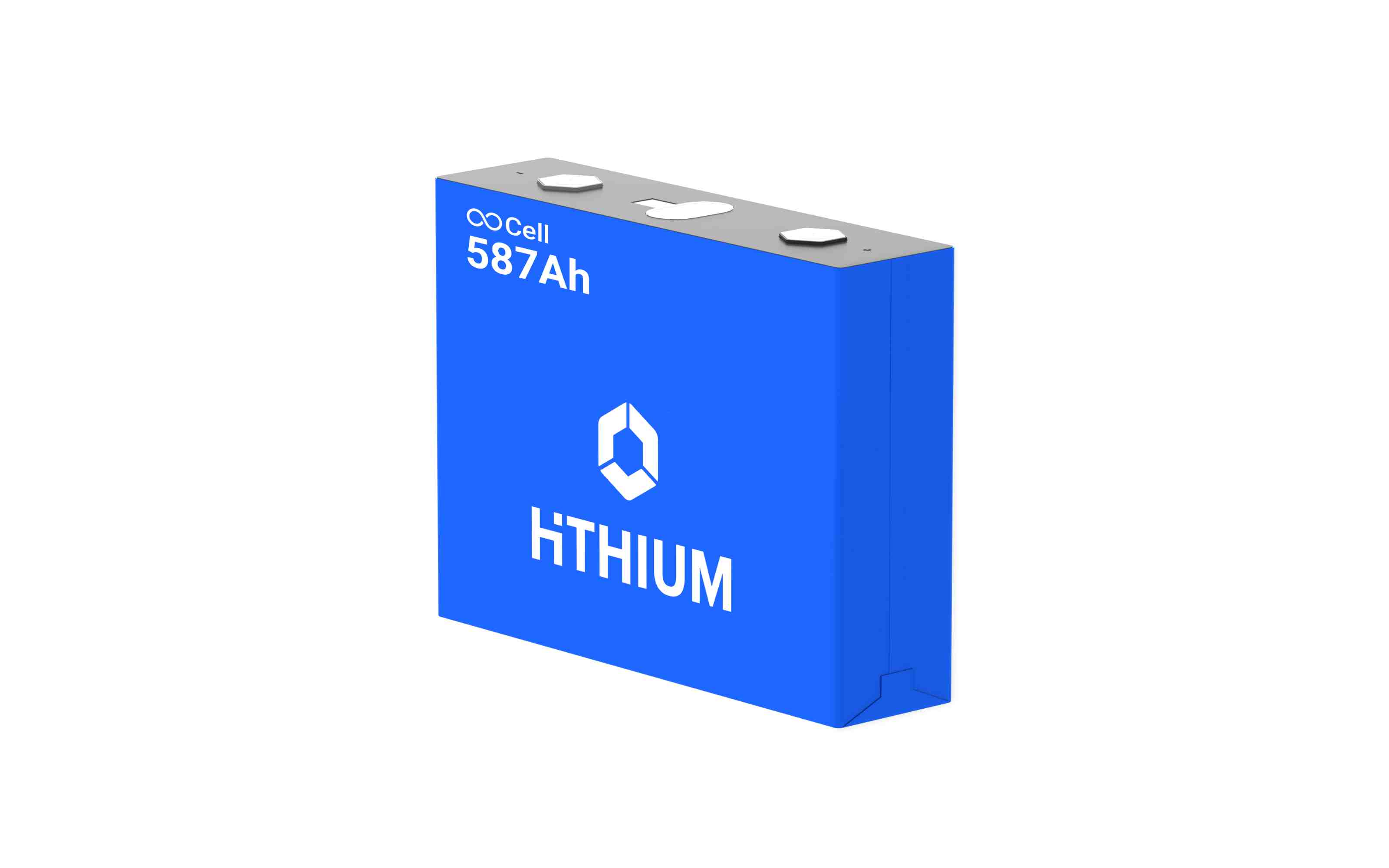
HiTHIUM has experience with modular packs, thermal design, and field deployments—so choose partners who bring those practical fixes to the table. Final rule: test assumptions in the real site heat, not just the lab.