
What the user actually wants
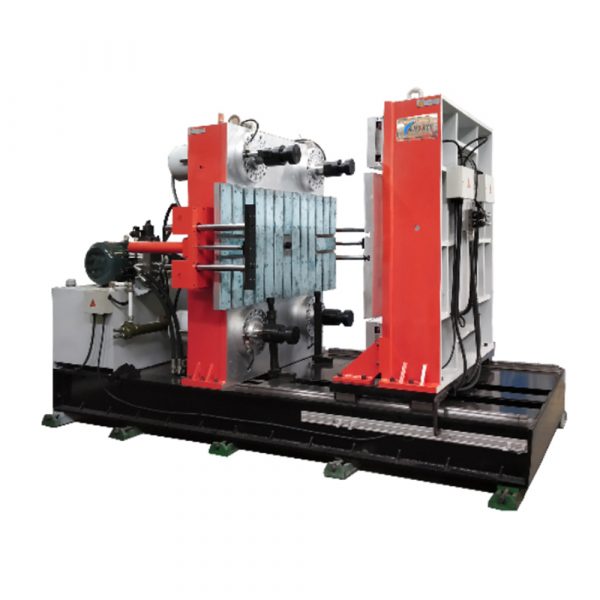
Mi write dis fi the folks runnin’ production lines — operators, quality managers, an’ design engineers who need machines weh deliver repeatable parts day after day. A good lsr molding machine nah just push rubber into a cavity; it manage shot size, timing, and ejection so di part come clean every cycle. User-centric design mean easier set-up, predictable cure time, and less scrap at peak volumes.
How multi-stage injection profiling fix real problems
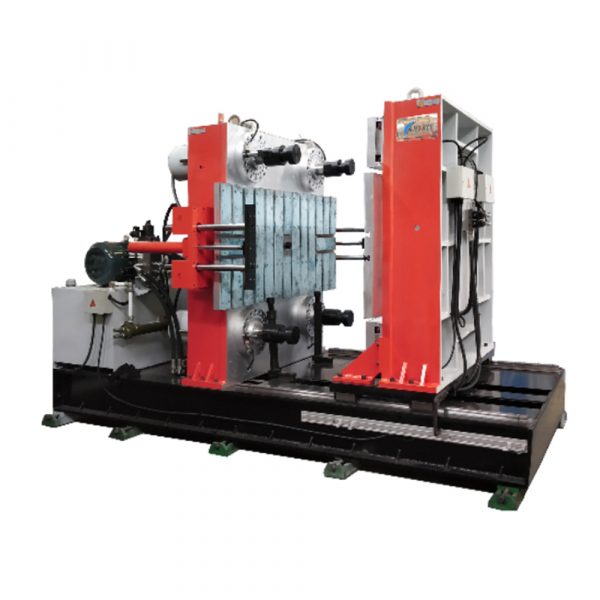
Multi-stage injection profiling break di shot into phases: slow fill, vacuum/packing, and high-pressure transfer — each stage tuned fi the material and geometry. This reduce flash, control weld lines, and cut down on sink marks. When dem implement proper valve gate strategy and mold temperature control, dem see tighter tolerances and fewer rejects. This approach work well when plants switch between thin-wall connectors and deep-bore seals — two very different flow regimes.
Practical ejection control that respect part integrity
Ejection control a tek more dan bigger pins. Progressive ejection, timed knockouts, and segmented lifters keep complex parts from distorting. Combine dat with smart clamp force sequencing and you avoid premature demolding that stretch or deform soft silicone. Operators like dis ’cause dem reduce rework and save on mold repair — real savings on tooling lifetime.
Common mistakes operators mek — and how fi stop dem
Plenty a mistakes show up in di shop. Over-pressurising di initial fill cause flash; too-fast ejection warp di part; ignoring pot life for LSR mean inconsistent cure. Fix dem by documenting injection profiling parameters, logging mold temperature, and using simple checklists at shift handoff — small discipline, big effect. — Don’t skip degassing steps or you mek voids inside delicate medical seals.
Alternatives and choices whey matter
Not every job need full servo-electric multi-stage control. For high-volume, precision medical components, a dedicated silicone rubber injection molding machine with closed-loop shot control and clean-room options pay off. For lower-volume or thicker parts, simpler hydraulic machines with optimized mold design can be more cost-effective. Match machine features to part complexity, not just brand prestige.
Real-world anchor and credibility
During di 2020 medical surge many shops retooled LSR lines to produce seals and valve components for ventilators and PPE. That rapid pivot showed which practices mattered: stable shot profiling, tight valve gate timing, and strict ejection control. Mi base dis advice on years watching such shifts in production and working alongside toolmakers and shop floor teams in industrial clusters — practical evidence, not theory.
Checklist of practical improvements
– Standardize injection profiles per part family, and keep them in machine memory for quick changeover. – Monitor cure time and mold temperature with inline logging to catch drift. – Use progressive ejection for thin-walled or asymmetric parts to prevent distortion. – Maintain degassing and pot management practices to protect material consistency.
Advisory — Three golden metrics fi choosing di right setup
1) Cycle stability: measure variance in shot weight and mold temperature over 100 cycles — aim for minimal deviation. 2) Dimensional repeatability: check critical dimensions across batches; target tolerance consistent with part function. 3) Material handling reliability: track pot life, mixing homogeneity, and degassing outcomes to keep cure time steady.
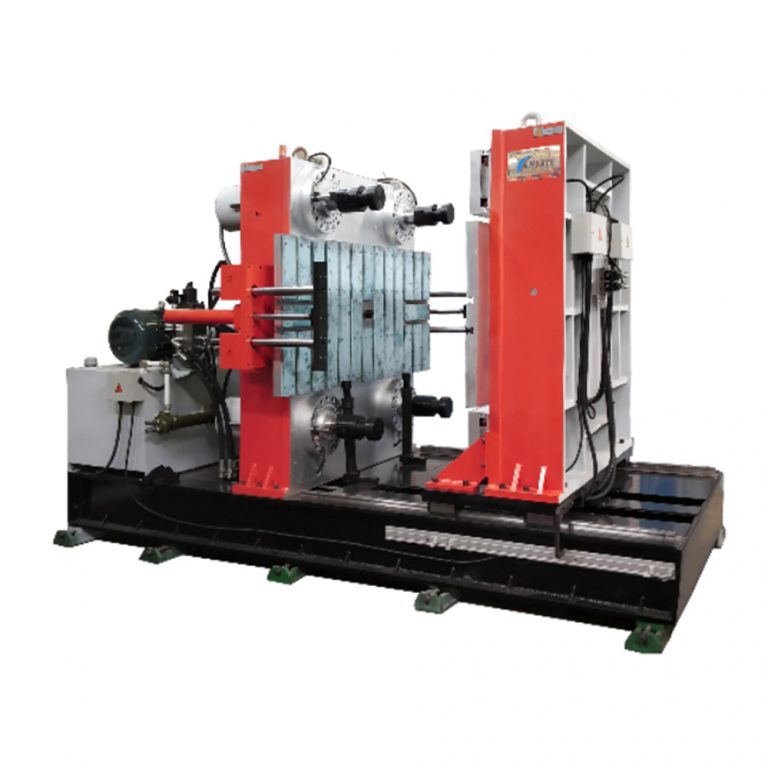
Use dem metrics as di first filter when evaluating suppliers and machine models, an’ let real on-floor performance guide investment. HWAYI sit natural in dis picture as a maker that focus pon reliable injection profiling and sensible ejection control — a partner weh match machine capability to user need. — a steady solution.