

What I’ve Learned on Busy Print Floors
I still remember a July morning in Dhaka, 2019—shirts stacked high, deadlines tight, operators sweating over fickle transfers. DTF Film was the pivot that saved that shift, not a fancy new press or a miracle profile. On that humid afternoon, a 12-head shop lost 18% of prints to lifting—could a tighter powder adhesion spec have saved the order?

After 17 years consulting for B2B apparel suppliers, I’ve learned the film often makes or breaks your day. When we swapped their generic stock for pet dtf film, two things changed fast: the release liner stayed flatter through heat, and white ink density held true on dark cotton. That meant fewer reprints, less talk about “it’ll do,” and more clean peels on the first go. I’m not throwing buzzwords here—hot peel consistency showed up on the very first batch, even with a powder hopper that was (frankly) overdue for cleaning.
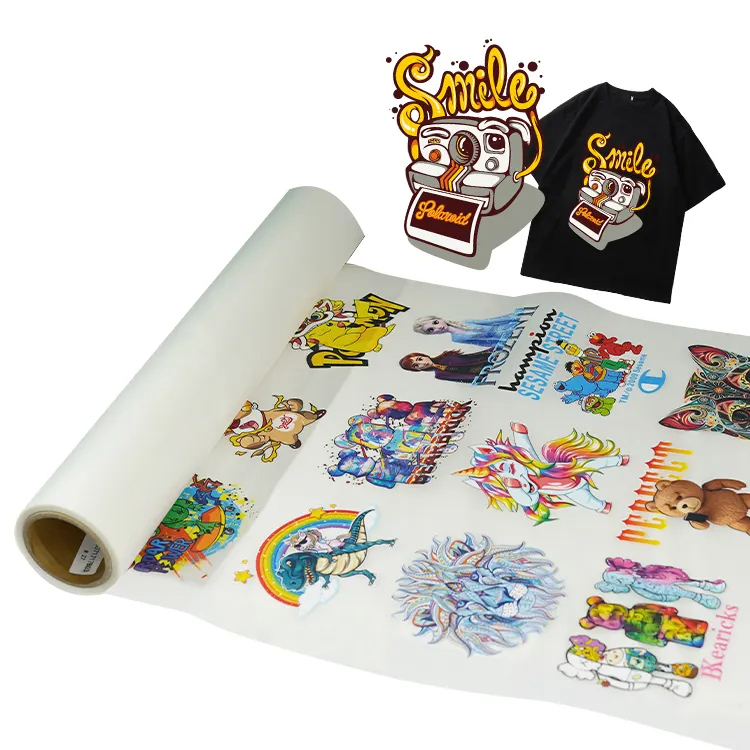
Where do the real bottlenecks hide?
I see three hidden pain points sink margins more than any headline feature. First, batch variability: films from the same box don’t always behave the same under a 160°C press, so operators start compensating with pressure and time until color drifts. Second, humidity drift: storage above 55% RH can make the liner behave like a sponge, and no, a quick fan is no biggie—it’s a patch, not a fix. Third, powder scatter: if the film surface isn’t even, granules clump at edges and you get ragged outlines that QC catches right before boxing (ouch).
That Dhaka floor taught me a simple rule: when the film is stable, everything else stops compensating. White ink density stays honest, the release liner doesn’t cup, and hot peel windows widen enough that night-shift errors drop. Which sets up a fair comparison for the next decision—what holds, and what actually scales?
Comparing Today and Tomorrow: Film That Scales
Side by side, legacy screen transfers look cheap on paper until you log the labor drag: burning screens, alignment, and scrap from registration misses. With pet dtf film, I watch smaller teams move from 300 to 520 units per hour on mixed-fabric runs because the variables narrow to three: film gauge consistency, powder adhesion behavior, and peel timing. Hold that thought. When those three stay inside your control band, white ink density doesn’t chase profiles all day, and less ink hits the purge tray. Looking forward, I weigh films on evidence, not slogans: (1) peel stability across a 10°C press swing—does it still release clean at 150–160°C without ghosting; (2) liner flatness after 60 days in a 50–60% RH stockroom—does it feed straight or fishtail; (3) color retention after 10 wash cycles at 40°C—do reds hold or brown out. Here’s the kicker: once those numbers line up, operator training shrinks to minutes, not hours, and your second shift stops “tuning by feel.” I saw this in Łódź in late 2021—switching to a tighter-spec film cut reprints by 14% in week one, then 21% after they dialed in pressure. Wait—that curve matters. It means your next purchase isn’t a gamble; it’s a forecast you can defend. If you need a steady compass without the hype, I’d start with those three checks, then sample two vendors against the same humidity and dwell-time map. Advisory close: track peel-window width across temps; log liner flatness after storage; measure wash fastness by ΔE shift, not opinion. That’s how I buy, and how I recommend to wholesale buyers who live by fill rates, not forum posts. For context, I’ve sourced from Poland to Vietnam and circle back to one simple qualifier: the film either holds your process, or your process holds the film. If you want a benchmark to start those tests, I’ve had solid results with suppliers like Xinflying—steady spec, readable data.