
Introduction — a short factory moment, some numbers, and a question
I once watched a night shift operator wrestle with a roll change while a production target blinked red on the dashboard — it felt like a small, personal emergency. As a wet wipes machine manufacturer, I know that a single jam or misaligned cutter can cost you hours; industry data shows line downtime often eats up 5–10% of planned output on average. So how do you choose machines that cut waste, not corners? (I’ll admit — I get a little fired up about this.)
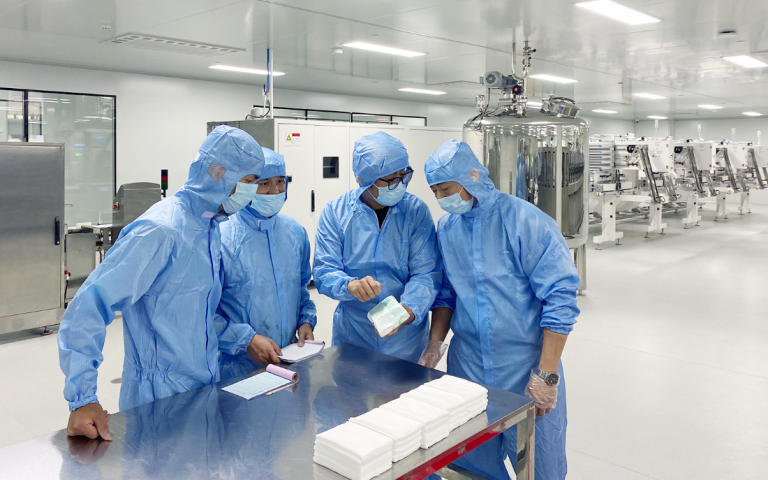
Here’s the scene: a compact production line, servo motors chirping, tension control fighting a stubborn web, and a team trying to hit a quota. The stakes are real. We need machines that balance speed and reliability, not just raw numbers. In the next sections I’ll compare where common choices go wrong, dig into practical pain points around alcohol wipes, and then map out forward-looking criteria you can use when you’re buying or upgrading. — Let’s move from drama to decisions.
Deep Dive: Why common setups fail — a technical breakdown
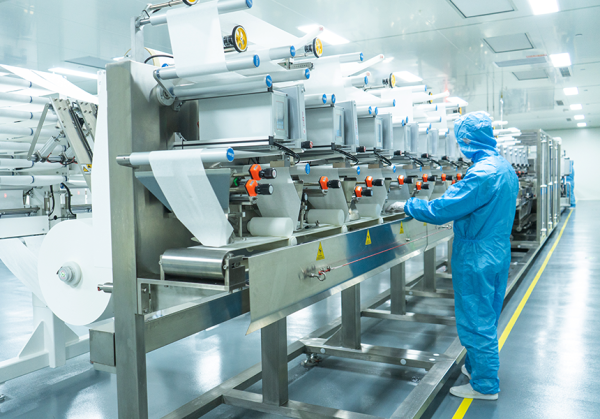
Start with the basics: a wet wipes line is a chain where each link matters. When I say chain, I mean the web handling, cutter module, dosing pump, and the sealing station all must sync. Fail one, and output collapses. The root causes are often simple — a mis-tuned PLC program, inadequate power converters, or sloppy tension control. These are not exotic faults; they are the everyday gremlins that chew at uptime.
Where does the production pain truly live?
Let me be blunt: many spec sheets promise throughput but ignore maintainability. For example, a faster winding system driven by high-torque servo motors can increase output, sure — but if the operator can’t easily swap a worn roller or the cutter module needs a specialist tool, you get stoppages. You can buy speed, or you can buy resilience. I’d argue you should buy both, but realistically that costs more up front. Look, it’s simpler than you think — prioritize access, modular spare parts, and a control layout that your crew can learn in two shifts.
Also, hidden user pain points show up in cleaning and compliance. With products like alcohol wipes, the machine design must minimize dead zones where disinfectant pools and microbial risk rises. UV sterilization attachments and cleanable platen surfaces help, but only if the line is designed for quick washdowns and clear SOPs. We often underestimate ergonomics too — poor operator posture during roll changes creates mistakes, and mistakes create scrap. So I push for human-centered layouts and clear diagnostics in the HMI. Simple, tactile feedback beats long logs when someone’s under pressure. (No kidding.)
Future Outlook: New principles and how to choose wisely
What’s next? I see two reliable directions: smart modularity and meaningful automation. By smart modularity, I mean systems built from interchangeable modules — a dosing unit, a cutter module, a sealing head — each with standardized mechanical and electrical interfaces. This lowers downtime because you can swap a module like changing a phone case. By meaningful automation, I mean automation that actually reduces operator cognitive load, not just replaces muscle. Edge computing nodes and local analytics should flag a rising tension problem before the web breaks, not only log it after the fact.
What metrics should guide your decision?
When I advise teams, I focus on three clear metrics you can measure quickly: mean time to repair (MTTR), line yield at target speed, and the effective clean cycle time for hygienic products like alcohol wipes. MTTR tells you how fast a real-world failure can be fixed. Line yield at target speed shows whether the machine meets the numbers in practice, not just on paper. Effective clean cycle time captures how long it takes to get the line back into a sanitary state after a shutdown — vital for compliance and throughput. These metrics are direct, actionable, and they help you compare vendors without getting lost in marketing gloss.
I’d add a practical tip: ask for a live demo with your actual substrate and wipe chemistry. Specs don’t lie, but they don’t always tell the whole story either. See the machine run your web, at your speed, with your packs. If a vendor balks, that tells you more than any brochure. — funny how that works, right?
Summing up: choose machines that offer modular repairability, clear diagnostics, and hygienic design. Keep an eye on PLC simplicity, the quality of power converters, and the ergonomics around roll handling. If you measure MTTR, yield, and clean cycle time, you’ll make better buys and sleep easier at night. I speak from experience: we’ve flipped lines from fragile to robust by applying exactly these checks. For practical support and proven equipment, consider partners like ZLINK who build with those trade-offs in mind.