
Introduction
You pull into a highway stop, battery near empty, sun blazing, and the charger says, “reduced power—please wait.” The cabinet hums, fans spin hard, but it’s a liquid cooling module inside that decides whether you get a full-rate session or a slow sip. In fast charging, current can top 500 A and shed kilowatts of heat; power density goes up, and so do the thermal stakes. We’ve seen this play out from city hubs to rural corridors—kweli—because without stable heat paths, even SiC MOSFETs and sturdy DC bus bars get shy. Field teams talk about dust, fan filters, and hot handles more than they talk about software, and that tells you something (ndio). So, here is the question: is the real blocker raw power, or is it heat that steals performance in plain sight?

Let’s move from the scene to the cause, and then to the better fit that cuts noise, heat, and wait time, sawa—step by step.
Deeper Layer: The Hidden Costs of Air-Cooled Fast Chargers
Where do traditional designs stumble?
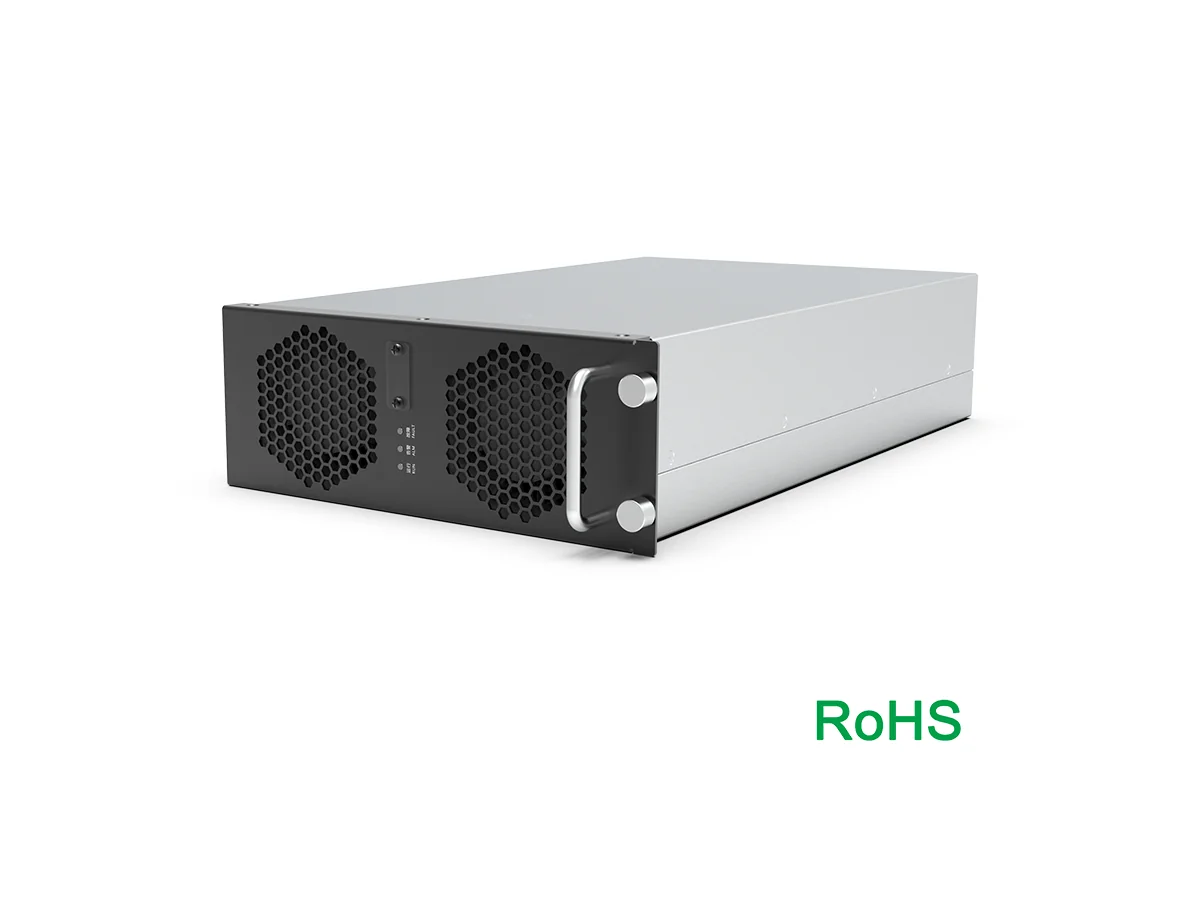
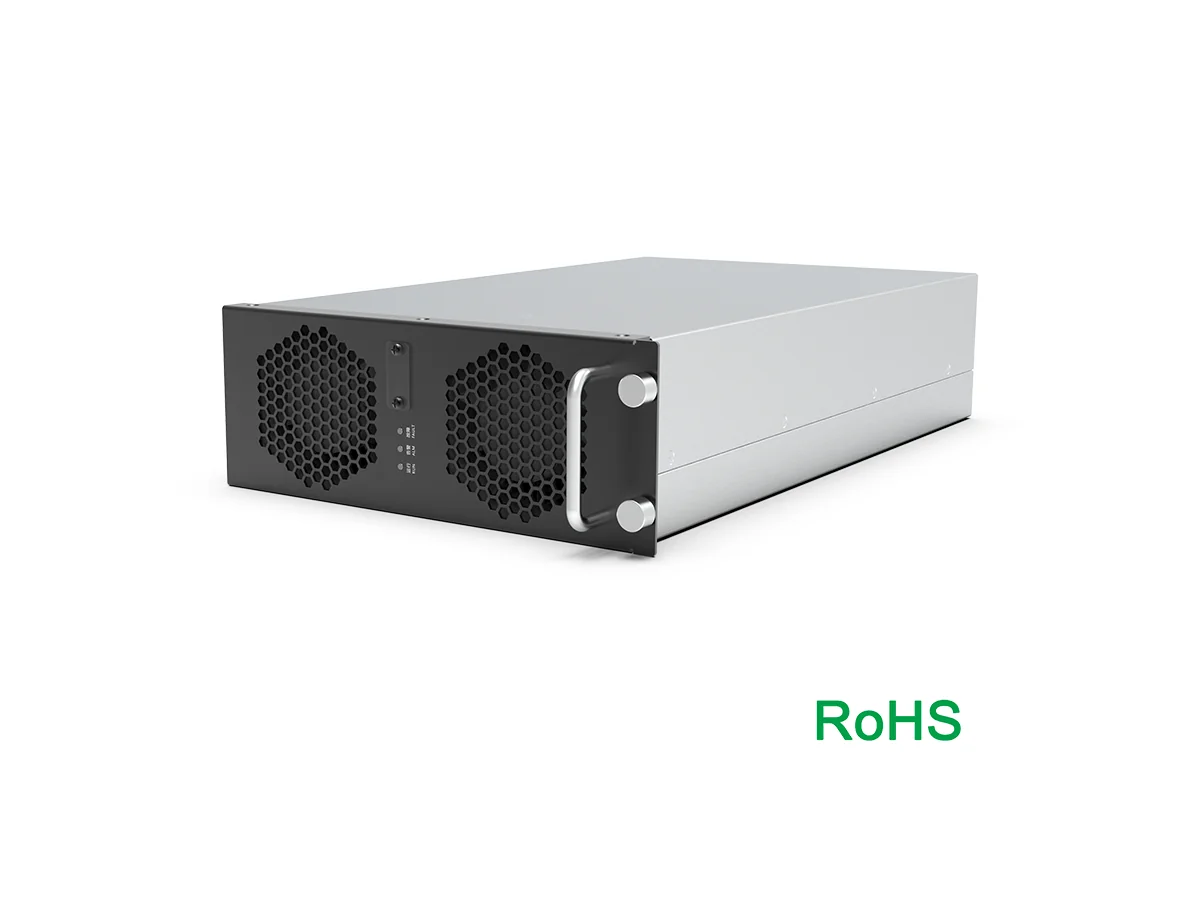
At 1000 V, even a compact 40 kW block makes a lot of heat on the switch stage and rectifier. A modern 1000v EV Dc charger module shows why thermal control must be active, not passive. Air has low heat capacity; it needs big fans and wide ducts. That means dust intake, filter swaps, and derating when ambient spikes. Look, it’s simpler than you think: when the DC bus runs hard, junction temperature climbs fast, and the control loop must pull back to protect SiC MOSFETs. Push too long, and you flirt with thermal runaway. Under load, the heat sink becomes the bottleneck—funny how that works, right?
Hidden pain points pile up for operators and users. Fan banks add noise and points of failure, and power converters share that hot airstream with edge computing nodes that run billing and diagnostics. Service crews chase clogs, not just faults. Cable handles get warm and feel heavy because higher airflow needs thicker shrouds. In wind or dust, EMI filters and small sensors get a harder life. When the day gets hotter, the charger trims current, and a “fast” session turns polepole. That is not a grid problem; it is a heat path problem—one that air alone struggles to fix cleanly.
Next Horizon: Principles and Payoffs of Liquid-Cooled Ultra-Fast Charging
What’s Next
The shift is about physics, not hype. In liquid systems, a compact coolant manifold feeds cold plates on the power stage, the rectifier, and even the cable head. The pump tracks load; sensors watch inlet and outlet temps; the loop hands heat to a right-sized heat exchanger. With liquid cooled ultra-fast charging, the thermal resistance chain drops, so the module holds power without shouting. That steadier junction temperature helps efficiency and extends component life. It also means less acoustic noise, fewer filter changes, and predictable derating curves. And the cable? Cooler, slimmer, easier to handle. Operators get uptime; drivers get minutes back—funny how that works, right?
So, how do you choose well? Use three clear checks. First, thermal headroom: confirm continuous output at high ambient with a low temperature rise across the cold plate (full-load delta-T tells the truth). Second, service design: look for dry-break quick connectors, leak detection, and a pump rated for long duty; this keeps downtime short and clean. Third, grid and system harmony: verify EMI compliance and low harmonics while the module runs near peak, and make sure the control keeps the DC bus stable under dynamic load. If those three pass, you will feel the difference at the plug and at the ledger. For a grounded view of the platform behind these ideas, see winline technology.