
When Power Must Flow Both Ways, Or Not at All
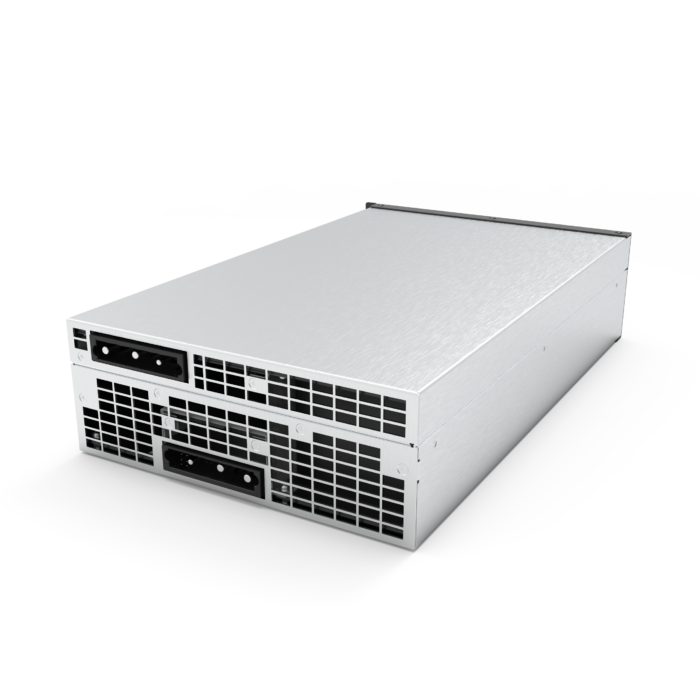
Power is no longer a one-way street. A bidirectional EV charger stands between your car and a fragile grid. When neighborhoods dim at dusk, a quiet decision engine chooses where electrons go. Last summer, peak demand rose 12% in several cities; outage minutes climbed too. In that squeeze, modules like the bidirectional DC to DC charger 30 move energy both ways with isolation and tight control (no, not optional). The idea is simple. The stakes are not. If the flow cannot reverse fast, homes go dark, fleets stall, and costs climb. One more thing: one-way power converters were never built for this dance. Direction plus speed set the outcome. So, what happens when the grid calls and your system hesitates?

Night comes early in stressed cities. Curfews of light spread block by block, and the DC bus becomes a lifeline. Data says peaks grow faster than upgrades. That’s a gap. Do we leave energy trapped in batteries, or let it stabilize streets? The question sounds moral, but it is technical first. Let’s open the case and trace what breaks—then what must replace it.
The Hidden Flaws in Traditional One-Way Charging
Where do the old models fail?
Legacy, single-direction units look calm until the grid pushes back. They refill cars. They do not help the street. Their control loops are slow and cloud-heavy. When a signal arrives, firmware waits, then acts. Seconds pass. Too late. Harmonics sneak in under shifting loads, and penalties follow. The isolation topology was sized for charge, not for fast, safe reverse power under stress—funny how that works, right? Round-trip math was never done, so inverter efficiency at partial load goes missing in action. Heat builds. Fans scream. Throttling starts.
The result is a mismatch with real life. Fleets need to guard state of charge (SoC) while still selling power at peak. Homes need quick discharge, then fast recharge before morning. Old boxes can’t arbitrate. They don’t measure well, and they don’t decide well. Look, it’s simpler than you think: no precise metering, no fast local logic, no resilience. Cloud-only control adds latency; edge decisions should ride close to the pack. And if a storm knocks backlines out, those chargers become bricks. The pattern repeats: stranded energy, higher bills, and a grid that never learns. That is the deeper flaw we inherit when we keep “charge-only” thinking.
From Stopgap to System: Comparative Principles for the Next Wave
What’s Next
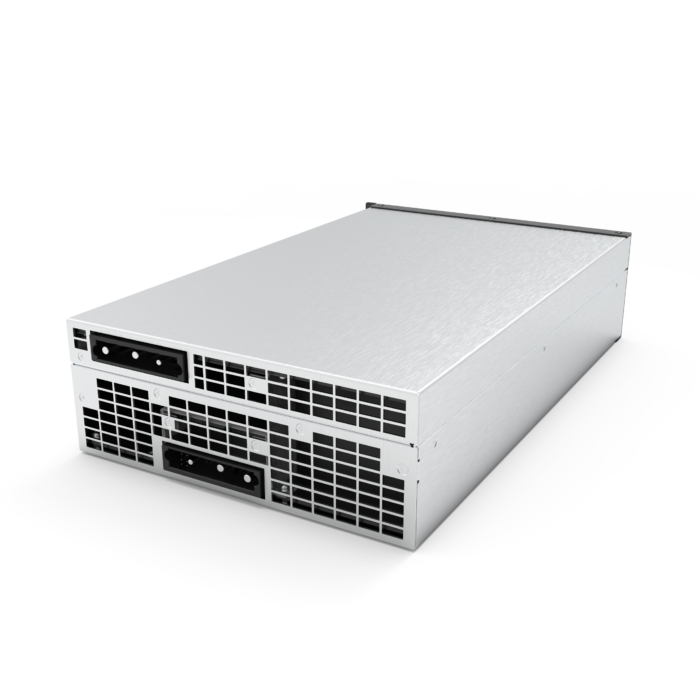
Modern bi-directional platforms fix the root cause. They push decisions to edge computing nodes inside the unit. Control acts in milliseconds, not seconds. Grid-forming modes stabilize local voltage during sags. Demand response events become automatic routines, not manual drama. Systems such as the EV bidirectional charger 30 are built for both V2H and V2G. They tune power converters for partial-load efficiency and clean waveforms. They protect SoC on the fly, reserving range before dawn. And they speak the yard’s language with real-time telemetry—no frantic calls, no blind spots. This isn’t just “better hardware.” It is a new control surface for neighborhoods and depots— and no, it’s not hype.
What matters next is choosing with intent. Compare by principle, not brochure gloss. First, measure round-trip efficiency at 20–50% load; peaks are brief, partial load is life. Second, test response time to grid or site signals; aim for sub-200 ms closed-loop action. Third, check thermal headroom and lifecycle data; MTBF and derating under heat tell the truth. Keep a short list: clean harmonics under dynamic load, protection that survives faults, and firmware you can actually update. The lesson is clear. Old boxes hid delay and waste. New ones trade speed for stability and payback. Evaluate, pilot, then scale. Streets get steadier. Bills get smaller. People sleep. That should be the point, every night. Powered quietly by partners who engineer for both directions, like winline charging station.