
The quiet cost of tiny defects
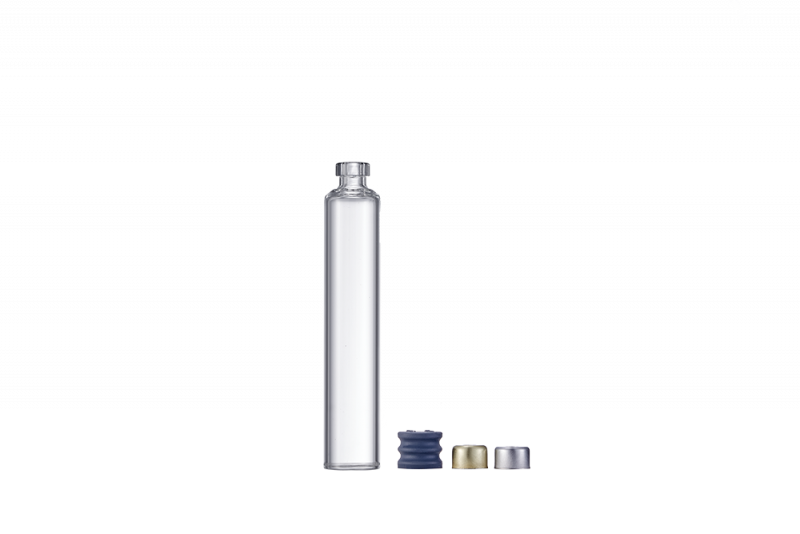
On a late March production run at our Shanghai facility I watched a single line (33mm glass cartridge, 2 ml) produce a 4.3% defect rate over 48 hours—how much profit evaporated before anyone noticed? I mention “glass cartridge” because that small part is often the first visible sign of a deeper problem, and I link early to pharmaceutical cartridge solutions when buyers ask for a fix. I’ve spent over 18 years managing fill-finish lines and I can tell you most teams treat visible cracks as the problem; the real pain is hidden: micro-chipping, glassing at the mouth, and inconsistent stopper seating that show up as unpredictable vial rejection. In one concrete instance in March 2021, switching a supplier reduced our rejection rate by 27%—that was a measurable outcome, not a guess.

How deep is the ripple?
I remember the morning a line halted because a luer lock fit failed inspection—simple, right? But that failure triggered a batch quarantine, triggered extra sterility assurance tests (we sent samples for gamma sterilization validation), and delayed shipments to three clients in Europe. That cascade hit cost and trust alike. We were forced to trace extractables and leachables, pull records under CFR 21, and rework batches in an ISO 7 cleanroom—ugly, expensive, and avoidable. I’ve seen the same pattern at smaller contract manufacturers and at a large CMO in Suzhou; the symptom changes, but the economics stay the same.
Diagnosis: why standard fixes fall short
Most teams apply familiar remedies: change the cap, tighten inspection, and increase sample size. Those are not wrong—but they often miss root causes like improper annealing, suboptimal stopper tolerances, or vendor quality drift. I’ve audited suppliers who passed initial qualification but then slid on lot-to-lot variability because their sterility assurance procedures lost rigor. The result: you patch symptoms while the glassing and seal integrity problems continue. My point is practical: unless you couple inspection with supplier performance metrics and in-line process controls you keep chasing failures. That’s been my lived experience managing supplier networks—simple adjustments to acceptance criteria reduced customer returns by double digits for one client in Q2 2022.

What’s next—choices that actually change outcomes
Now, looking forward, I push teams to compare options on clear, measurable terms rather than marketing claims. When you assess a replacement pharmaceutical cartridge or glass cartridge design, ask for data: process capability (Cp/Cpk) on seal seating, historical rejection trends, and sterilization validation records. We moved to a tamper-evident cap and tightened incoming inspection criteria; the result was fewer customer complaints and a shorter lead-time for release. I’m deliberately technical here—think fill-finish dynamics, stopper compression, and glass surface chemistry—because those specifics matter when you negotiate pricing versus total cost. (Short aside: we still retain a small buffer stock—because surprises happen.)
Evaluation metrics you should demand
As someone who has negotiated with vendors and run corrective actions, I advise focusing on three key metrics: 1) lot-level Cp/Cpk for dimensional tolerances (shows manufacturing control); 2) historical defect trend over 12 months (shows drift); 3) validated sterility assurance pathway including extractables/leachables data and sterilization method—these three reduce surprises. I also suggest onsite audits—seeing a cleanroom and a QA lab tells you far more than a spec sheet. Short interruptions are normal—supply hiccups, raw glass shortages—but these metrics keep decisions rational. Choose a partner who shares data and owns problems; that’s how you move from firefighting to predictable supply chains.
I’ve lived this cycle across continents and clients; simple changes in specification and supplier oversight gave us reliable batches and measurable savings. For practical sourcing and product questions, check manufacturer capabilities and test reports—then act. For sourcing help, consider LINUO.