
Introduction — Why this matters now
Have you ever walked past a row of machines and felt that one of them was quietly doing all the heavy lifting? I have. Recent shop-floor counts show that multi-spindle setups now handle a growing share of small-run parts—some shops report up to 30% faster throughput with careful scheduling. In that light, where does the double spindle CNC machine fit into a modern production line?
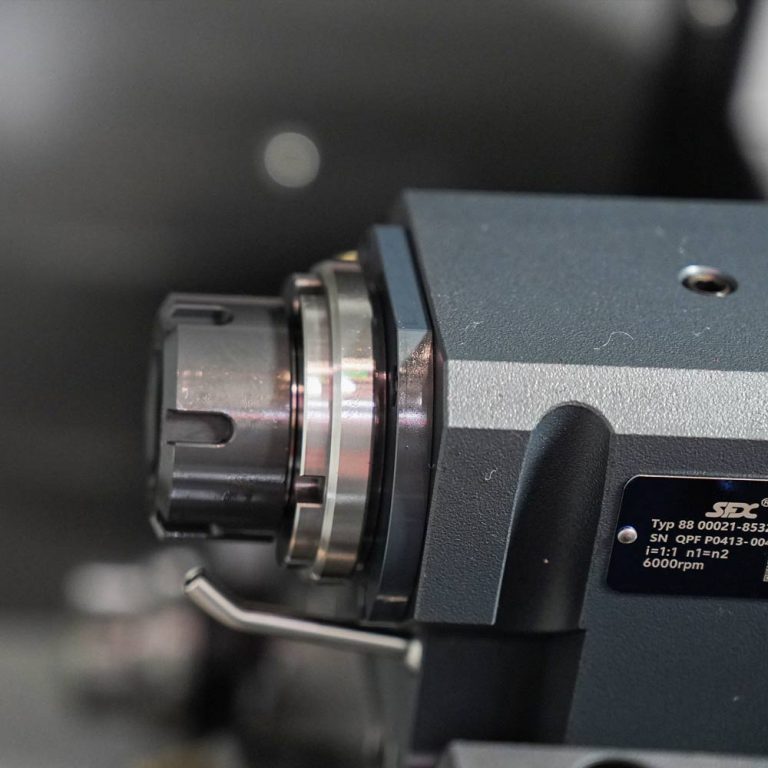
I say this because I work with teams that wrestle with cycle time, spindle speed choices, and setup overhead every week. The double spindle CNC machine often gets billed as the productivity hero, but the truth is more nuanced. We deal with turret management, Y-axis servo tuning, and chatter mitigation in real time. (Trust me—there are days when the controller feels like it’s the boss.)
Today I’ll compare practical trade-offs, point out the pitfalls I see most often, and give you a clear framework for judging a machine for your shop. Let’s move into the specifics about where problems hide and where gains are real.
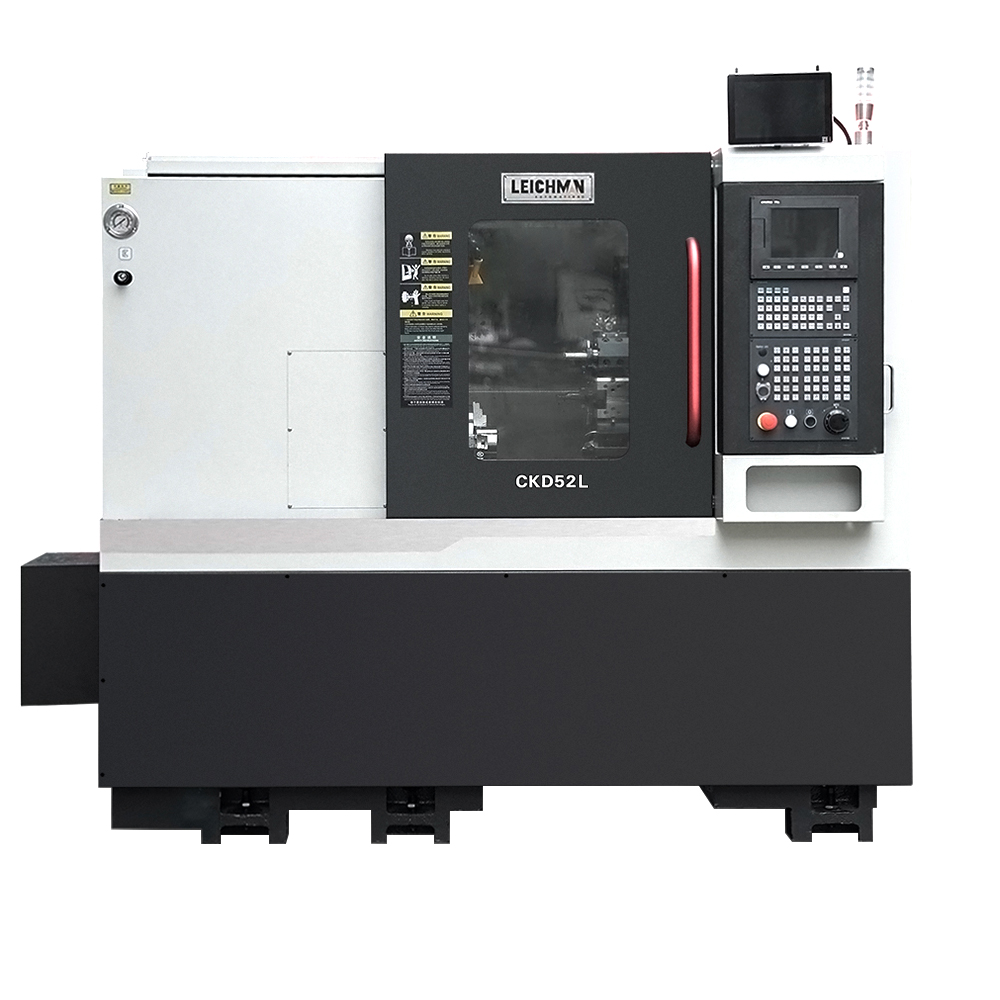
Where traditional approaches fall short: a technical take on the double spindle lathe
When teams choose a double spindle lathe, they usually expect parallel ops and instant cycle-time wins. I’ve seen that expectation clash with reality. Too often, shops assume identical tooling, ignore tool offset differences, and under-spec the CNC controller. The result: frequent tool changes, mis-synced spindle RPM, and higher scrap rates.
Here’s the technical heart of the problem. Double spindles invite complexity in these areas: spindle speed balancing, live tooling coordination, and turret indexing logic. If you don’t tune feed rates to match two simultaneous cut paths, you’ll get chatter — and you’ll slow the whole line. Look, it’s simpler than you think when you break it down: measure, tune, document.
What common mistakes am I seeing?
First, teams underestimate the engineering needed for synchronized motion. A Y-axis servo mismatch of just a few hundredths can ruin concentricity on turned parts. Second, tooling strategy is often an afterthought. People load identical inserts on both spindles without considering tool life or heat buildup. Third, maintenance cycles get ignored because operators expect the machine to behave like two separate units; it doesn’t. These are solvable, but only if you accept that complexity up front. I’ve helped shops cut scrap by nearly half once they addressed these three points — funny how that works, right?
Looking forward: principles and metrics for choosing a double spindle machining center
Now let’s look ahead. I want to talk about new technology principles that matter and how to pick a machine that actually helps you. The term double spindle machining center hides big differences in design: some units are optimized for simple parallel turning, others for complex mill-turn combos with live tooling and powerful spindle drives.
In practice, we should evaluate three things: synchronization fidelity (how tightly the CNC controller keeps the spindles and turret in sync), thermal stability (spindle cooling and power converters that prevent drift), and maintainability (ease of access to bearings and toolposts). I recommend running real cycle-time simulations during the demo—don’t rely on vendor charts. Try your part program. Stress-test your toolpaths. You’ll learn more in an afternoon than from a spec sheet.
What’s Next — practical steps
Here’s a quick plan I use with clients: 1) map current bottlenecks using cycle-time logs; 2) define required spindle torque and live tooling needs; 3) run a proof cut on a candidate machine with your fastest program. Measure spindle speed stability and turret indexing repeatability. If you see variance beyond tolerance, walk away or negotiate service concessions. — and yes, that matters.
To close, I’ll leave you with three evaluation metrics I trust: repeatable cycle time under production load, tool-change time including turret indexing, and thermal drift after a full shift. Use these to compare models and to set expectations for ramp-up. I’ve seen shops avoid costly retrofits simply by insisting on those tests up front.
My recommendation is practical and hands-on: go test with your own parts, demand data, and don’t be seduced by shiny spec pages. If you want a reliable partner for demos or benchmarks, check the offerings from Leichman.