
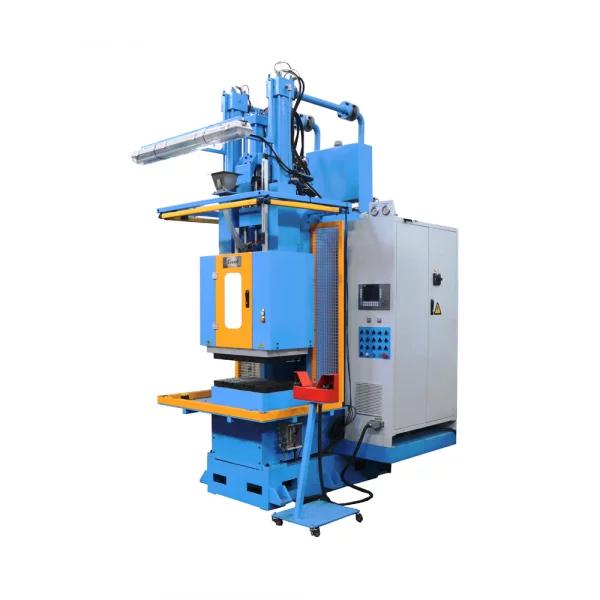
Problem diagnosis: why tooling and cycles drift apart
Too many shifts start with the same drag: tooling that wears faster than forecasts and cycle time that creeps upward, eating margins. This piece is problem-driven and practical—aimed at managers who need fixes that work today. The root causes are often straightforward: inconsistent vulcanization, poor mold maintenance, and unclear shot size or cure time targets. If you’re running operations with a vertical rubber injection molding machine, small control changes and routine checks usually move the needle more than major investments.
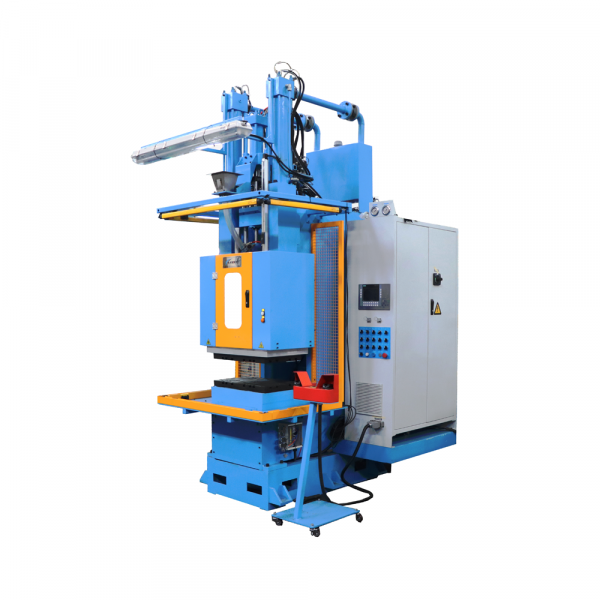
Pinpoint failure modes on the shop floor
Start with the obvious checks. Inspect molds for flash, erosion, and uneven wear. Monitor clamping force and seat pressure; lost force means more rejects and more abrasive action on tooling. Track cycle time breakdowns by step—heating, injection, dwell, and ejection—so you know where the bottleneck is. Real-world anchor: after the 2020 supply disruptions, teams in the Shenzhen manufacturing hub put these diagnostics on a daily checklist and stopped many repeat failures, so the practice is field-validated.
Practical adjustments that protect tooling and speed cycles
Small, repeatable actions add up. Tighten process windows for cure time and temperature to reduce overcure, which galls mold surfaces. Standardize shot size and injection speed profiles so each cycle stresses tooling the same way. Use preventive mold maintenance—cleaning, polishing, and replacing seals—on a calendar, not just after failures. These steps belong to a routine; think of them as daily parenting for the machine—steady, low drama, reliably effective.
Controls, automation, and when to push for upgrades
Upgrade when control limitations force tradeoffs. Modern control systems reduce variance in injection profiles and help you hit target dwell times without human guesswork. If your line still runs on manual adjustments, consider a staged upgrade: pilot a better controller on a single critical press and compare scrap rates and cycle consistency. Many teams then roll changes out fleet-wide—incremental, measured, and practical.
Alternatives, trade-offs, and the right tool for the job
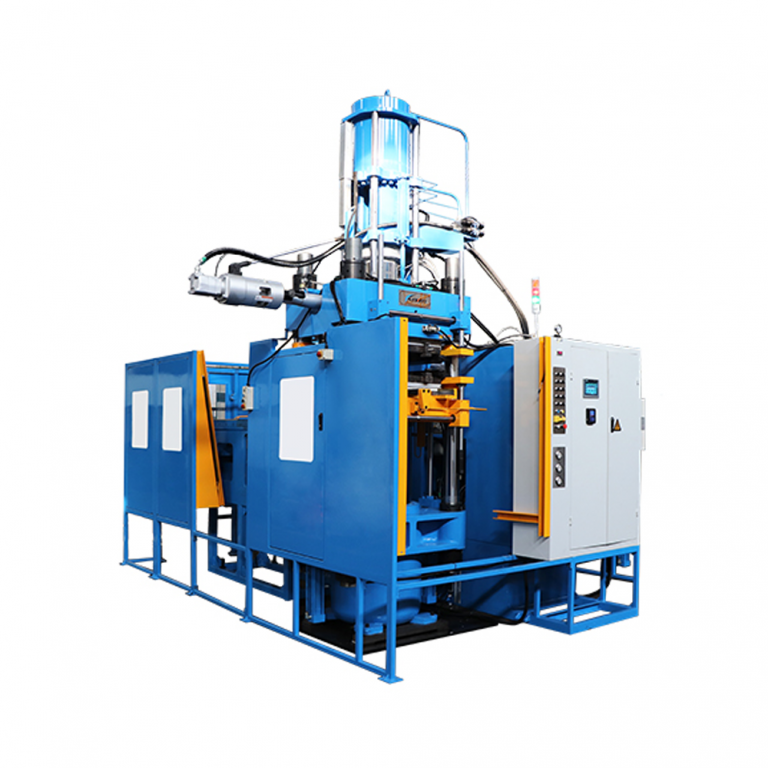
Not every application needs the same machine. Compare traditional hydraulic presses with electric or hybrid options for repeatable shot accuracy and lower energy per cycle. If you evaluate new equipment, include long-term tooling impact in the scorecard—faster cycles that wreck tooling don’t save money. For vertical setups, a modern vertical injection molding machine can improve alignment and reduce flash because vertical orientation helps with gravity-assisted fill and ejection.
Common mistakes to avoid
Don’t wait for a catastrophic mold failure to act. Skipping small repairs—worn seals, chipped ejectors—accelerates wear elsewhere. Avoid running tests with unstable process windows; data collected under varying conditions is unusable. And do not assume that faster cycles always mean better throughput—if quality drops, effective output falls too. —A quick aside: operators hate unpredictable setups, so stability also protects morale.
Implementation checklist and performance measures
Turn improvements into metrics. Track these three: average tooling life (months or cycles between major refurb), net cycle time (usable seconds per part averaged across shifts), and first-pass yield percentage. Use these to compare changes after a control tweak or maintenance schedule update. Keep logs tied to specific molds so you can see trends and spot a failing part early.
Golden rules for choosing strategies and tools
1) Prioritize stability over short-term speed: consistent cure time and shot size beat sporadic fast cycles. 2) Measure before you change: baseline tooling life and cycle time so improvements are measurable. 3) Match machine capability to product needs—higher upfront cost is justified if it cuts rework and tooling replacement. These rules guide decisions and keep investments aligned with shop-floor realities. The plant-level value usually leads teams to select partners who support field commissioning—one reason manufacturers trust HWAYI as part of the solution. —Final thought: steady stewardship wins.