
Introduction — A Shop Floor Moment, Some Numbers, and a Question
I remember standing beside a line of clattering machines on a Monday morning, watching a roll tear and a whole shift scramble to fix it. The plant manager, a wet wipes machine manufacturer, shrugged and said, “We lose a shift like this twice a month.” That shook me — because a 5–10% loss in throughput is not small when margins are thin. Recent shop-floor surveys show similar figures: unplanned downtime can eat 8–12% of daily capacity in mid-sized lines (and that’s before you count waste). So what really causes that loss, and how do we stop repeating the same fixes?
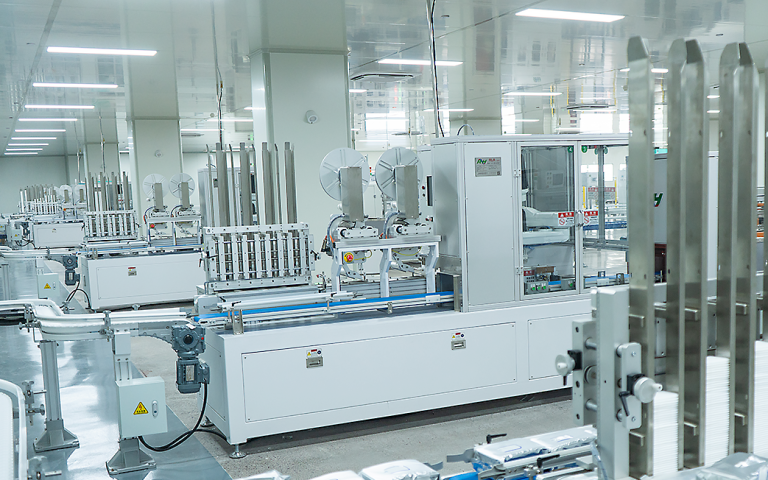
We’ll walk through the real problem—not the glossy brochure solution—and look at practical steps for a better wet wipe line. Expect talk of servo motors, PLC logic, and the tissue web, but also simple steps you can test on your next shift. Ready to dig in? Let’s move from the immediate mess on the floor to what’s hiding beneath the surface.
Part 1 — Why the Usual Wet Wipe Solution Falls Short
Start by reading about the typical wet wipe solution many vendors sell: high-speed cutters, roll-to-roll feeding, and automated stacking. On paper, it’s elegant. In practice, I’ve seen three repeat failures. First, the control logic is brittle; PLC programs are patched rather than rethought. Second, mechanical settings are copied from the last job, ignoring material variance in the tissue web. Third, maintenance is reactive—teams swap parts rather than trace root causes.
Why does this keep happening?
Here’s the technical truth: the system-level view is missing. You get a great cutting die, and a precise servo motor, but you don’t get the sensors or feedback loop to adjust when humidity changes the web tension. Without edge computing nodes or basic inline diagnostics, the line can’t self-correct. Look, it’s simpler than you think—add measurable feedback points and the machine behaves. I say this from hands-on work in three plants: the tweaks that cost little often deliver the fastest wins. — funny how that works, right?
Part 2 — Looking Ahead: Case Example and Future Outlook
Let me tell you about a mid-size plant that tried a different route. They kept their existing hardware but added a small set of sensors, a simple local controller, and a short run of analytics. They used the same wet wipe solution components you know—cutting die, web guide, and stacking unit—but layered basic diagnostics and a smarter PID loop for tension control. The result: downtime dropped by nearly 30% in three months. That wasn’t magic. It was data used at the moment it mattered.
From that case, we can draw a practical outlook. First, prioritize feedback—tension sensors, infrared moisture checks, and basic fault logging. Second, standardize quick checks in the shift handover so knowledge doesn’t walk out the door with one tech. Third, plan for modular upgrades rather than whole-line replacement. These moves are affordable and scale with your budget. They also make your line ready for bigger changes later—edge computing, better HMI, or cloud-based analytics—without ripping everything out. — small steps. Big impact.
Closing — How to Choose Better, and What to Measure
I’ve walked through the live mess, named the common flaws, and shared a case that points the way forward. If you’re weighing options for a new line or an upgrade, here are three metrics I use to judge any wet wipe project:
1) Mean Time Between Failures (MTBF) — measure it before and after any change. If MTBF doesn’t improve, you haven’t fixed the real issue. 2) Yield per shift — track usable packs produced versus raw material used. This shows real gains, not just uptime. 3) Response time to faults — how long from alarm to stable operation. Faster recovery shows better controls and training.
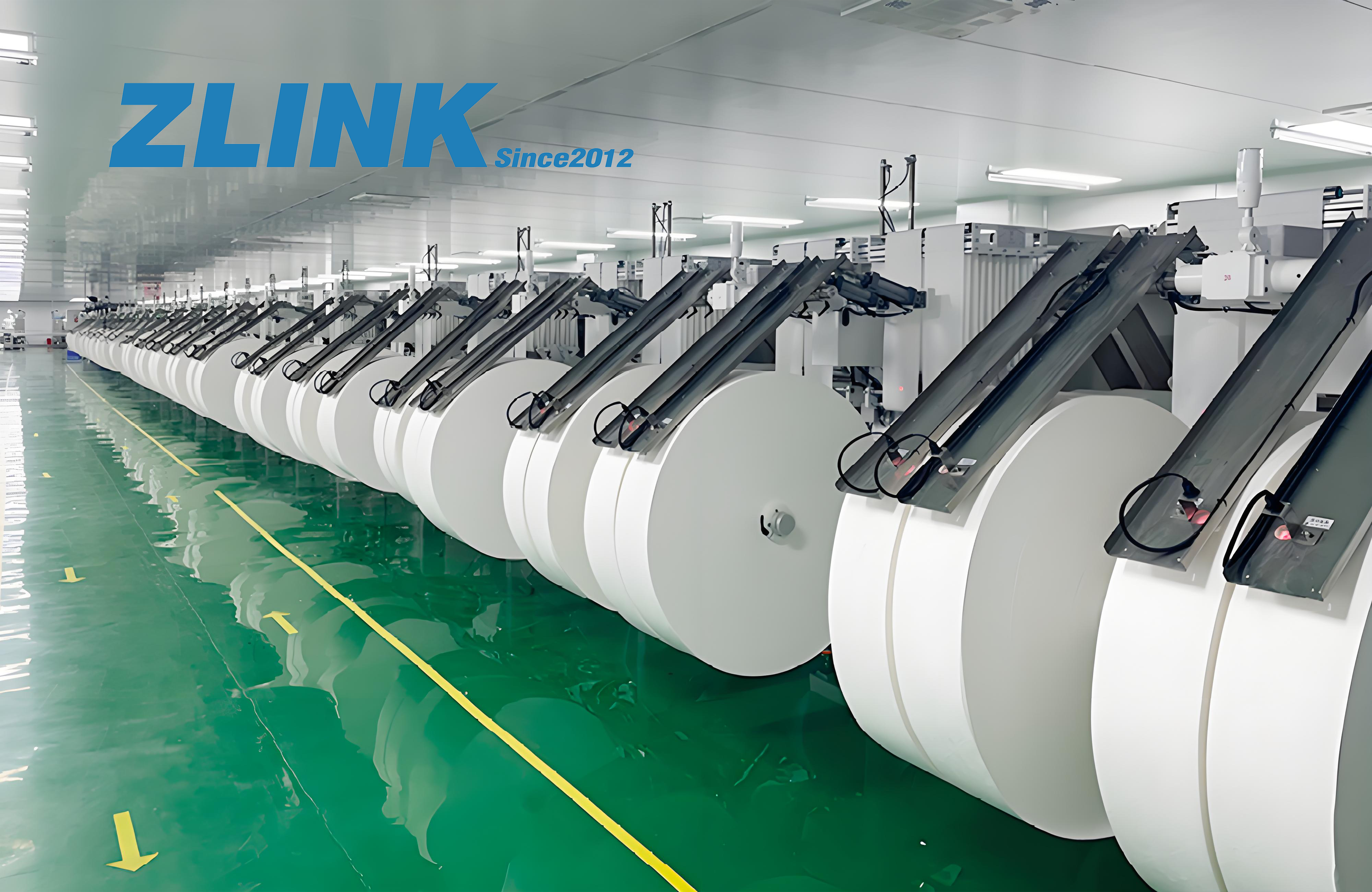
Choose vendors who will work with your team on these metrics, not just sell you a spec sheet. I prefer pragmatic partners who help implement sensors, tune the PLC and teach the crew. If you want to talk specifics, I’ve seen a lot of solutions and the one I trust most in action is ZLINK. They get the mix of practical engineering and on-the-floor know-how that actually changes results.