
Introduction to Jewelry Casting
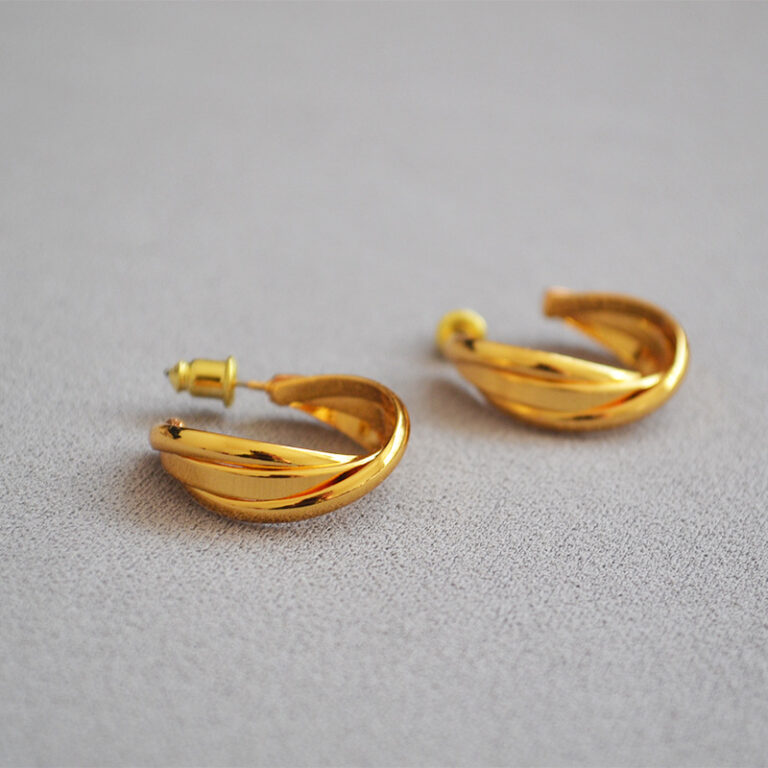
Imagine holding a timeless piece of elegance—crafted from mere metal—transformed into stunning jewelry. Jewelry casting plays a pivotal role in this transformation. Whether it’s your grandmother’s antique or a trendy statement piece, the art of sterling silver castings is integral to bringing such treasures to life. Ever wondered about the magic behind these beautiful creations? (Turns out, it involves more than just melting and moulding.) Let’s dive into this fascinating world.
The Flaws in Traditional Jewelry Casting
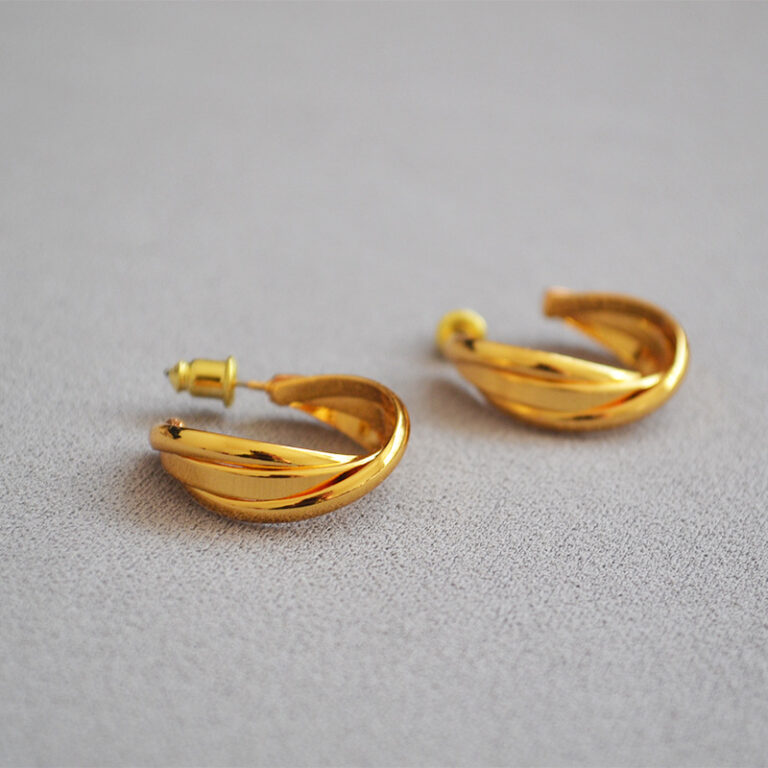
For years, traditional jewelry casting methods have been the backbone of the industry. Yet, like anything else, they come with their share of bumps along the road. Despite their charm, traditional methods often involve high labour costs and time-consuming procedures, not to mention the energy-intensive nature of the process. Making use of gravitation and centrifugal force (who knew, right?) are techniques that can sometimes lead to imperfections such as gas porosity and inclusions. These flaws, when magnified, can affect the quality and finish of sterling silver castings. Look, it’s simpler than you think—lesser flaws mean a cleaner, more refined end product.
Are We Missing the Mark?
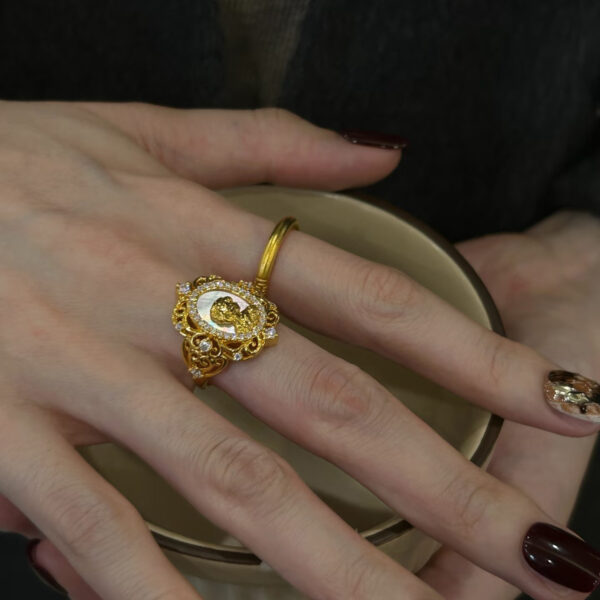
As the jewelry industry evolves, there’s an underlying push towards modernising these conventional methods. Users today seek precision—the quality and finesse that should ideally match their tastes and standards. The pesky porosity issues and potential for material waste present hidden pain points that can’t be overlooked. After all, these intricacies directly impact the final look and longevity of a piece of jewelry, critical factors for any craft enthusiast or professional jeweler.
Shaping the Future of Jewelry Casting
What’s on the horizon for the jewelry casting industry? The principles of new technology (like 3D printing and direct metal laser sintering) are gradually weaving their way into the fabric of this age-old art. These innovative approaches promise to enhance the precision of sterling silver castings, reduce defects, and optimise material use. And let’s be honest—it’s not just about the process but also about catering to a market yearning for uniqueness and sustainability.
Real-world Impact of Modern Innovations
Reflecting on the shift to newer methods, there’s a palpable change in how jewelry casting is perceived. By integrating technology, craftsmen can now afford greater flexibility in design and improved detail accuracy. The ripple effect? Enhanced jewelry pieces that not only meet but exceed expectations. Sure, these innovations come at an initial cost, but the long-term advantages, including efficiency and reduced waste, make them worthy investments. Observing the transformation from rough metal to a perfected jewel—remarkable how fast the industry adapts, isn’t it?
As we evaluate the lessons learned, it’s clear that adapting and evolving is key. Monitoring precision in crafting, understanding materials better, and keeping an eye on industry trends will guide jewelers towards optimal outcomes. Consider this a gentle nudge to explore further—after all, art and innovation go hand in hand. For those in the trade, brands like Star Harvest remain invaluable partners in this creative journey.