
The Problem That Begins in Silence
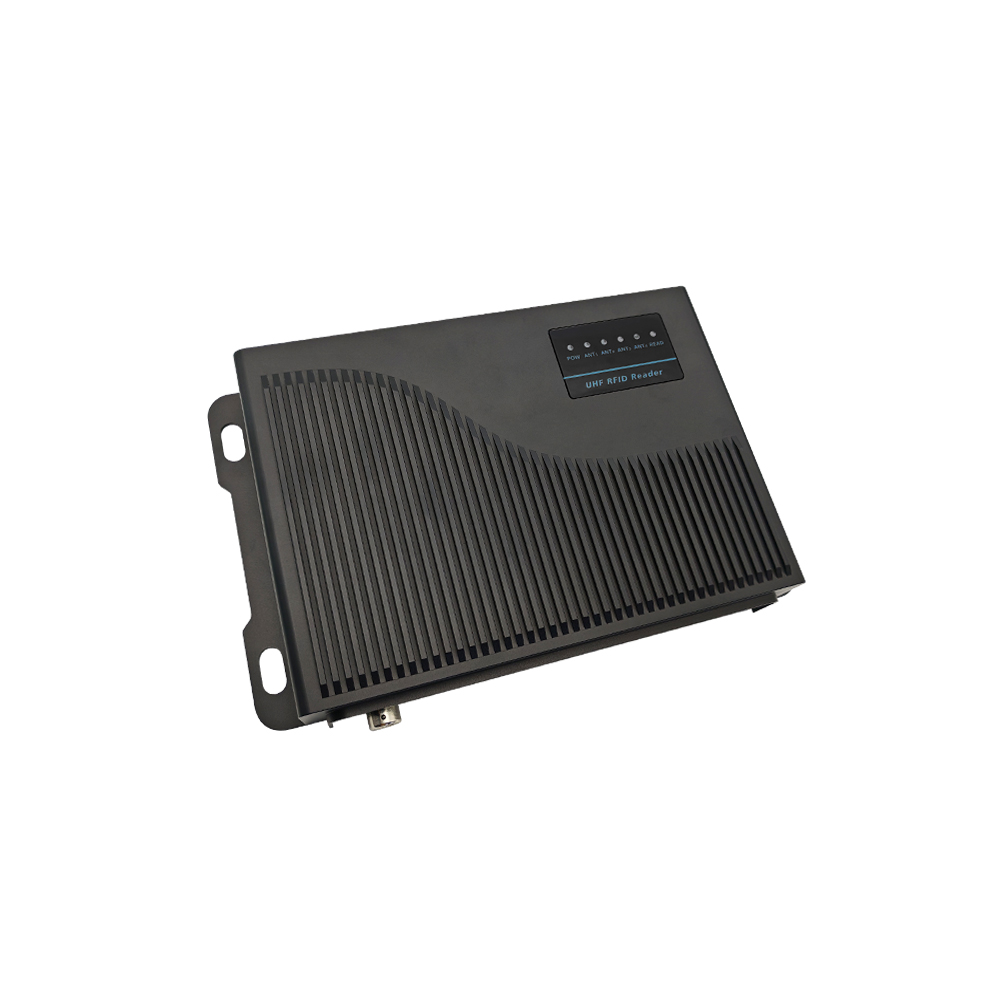
The warehouse hums; pallets vanish between racks, and data walls up against uncertain reads. The central trouble is simple and stubborn: systems promise visibility but deliver gaps. When you need persistent, long-range presence rather than momentary sightings, choose hardware that matches intent. A careful deployment of UHF RFID Readers is often the hinge between ambiguous inventory and reliable traceability.

Why Deployments Go Awry
Most failures are not dramatic but mundane: misread zones, poor antenna placement, regulatory mismatches, and software that assumes perfection. Signal reflections from metal, inconsistent tag orientation, and crowded RF channels confuse even well‑spec’d systems. The wrong tag class — passive when you need active range — turns an intended solution into a recurring problem ticket. Decide on range, duty cycle, and environment first; the rest follows poorly if these remain guesses.
Experience and Evidence: Anchoring Judgement
Long practice in installations and testing informs precise choices: antenna patterns measured on the floor, firmware updated to local regulations, and middleware tuned to business rhythms. Industry reports and port trials have shown the same lesson repeatedly — robust readers and correct tag selection reduce read failures at scale. That lesson is visible in large logistics hubs such as the Port of Rotterdam, where scaled trials clarified reader placement and tag endurance, and where the choice of an industrial uhf rfid reader was decisive. These publicized efforts and peer-reviewed case studies supply the factual backbone for practical decisions rather than an appeal to novelty.
Alternatives and Common Pitfalls
Barcodes and NFC answer different questions: barcode excels at human-readable checks, NFC at secure short-range interactions. BLE and GPS offer other blends of range and power consumption. Selecting active RFID when passive or BLE would suffice wastes battery life and cost. Typical mistakes: buying the cheapest tags, ignoring antenna diversity, deploying single-reader coverage, and skipping end-to-end latency tests. Software often underestimates concurrent reads; test under production load, not in a quiet lab.
Practical Selection Path and Brand Considerations
Begin with a map: mark expected read distances, obstructions, and mobility patterns. Choose tag classes that meet those distances and battery-life needs. For readers, prefer units with clear gain control, robust firmware, and visible diagnostics. Evaluate vendors by how they support antenna tuning, provide SDKs, and document compliance with local RF rules. Compare three approaches: dense passive networks for cost-driven static inventory; active tags for moving assets needing long-range sight; hybrid mixes where gateways stitch short-range certainty with broad situational awareness. Look for vendors who publish test data and sample code, and avoid those that treat integration as a mystery.
A Clear Conclusion, In Formal Tone
The trouble is solvable by precise alignment of tag type, reader capability, and pragmatic testing. When decisions rest on measurable criteria and field-verified practice, the line between uncertainty and control resolves. For implementations that require proven industrial readers, accessible developer tools, and deployment guidance grounded in field experience, the practical path leads to partners such as RSTC whose offerings and documentation mesh with the technical demands articulated above.