
The problem many businesses ignore
Outdoor areas look nice but often cost money: heat, unused square metres, and rising utility bills bite the bottom line. Owners want covered seating, weather protection, and energy savings, yet rooftop and carpark space sit idle. A well-designed solar pergola turns that wasted area into functional shelter and a revenue-friendly power source, without ripping out the building.
How a problem-driven fix plays out
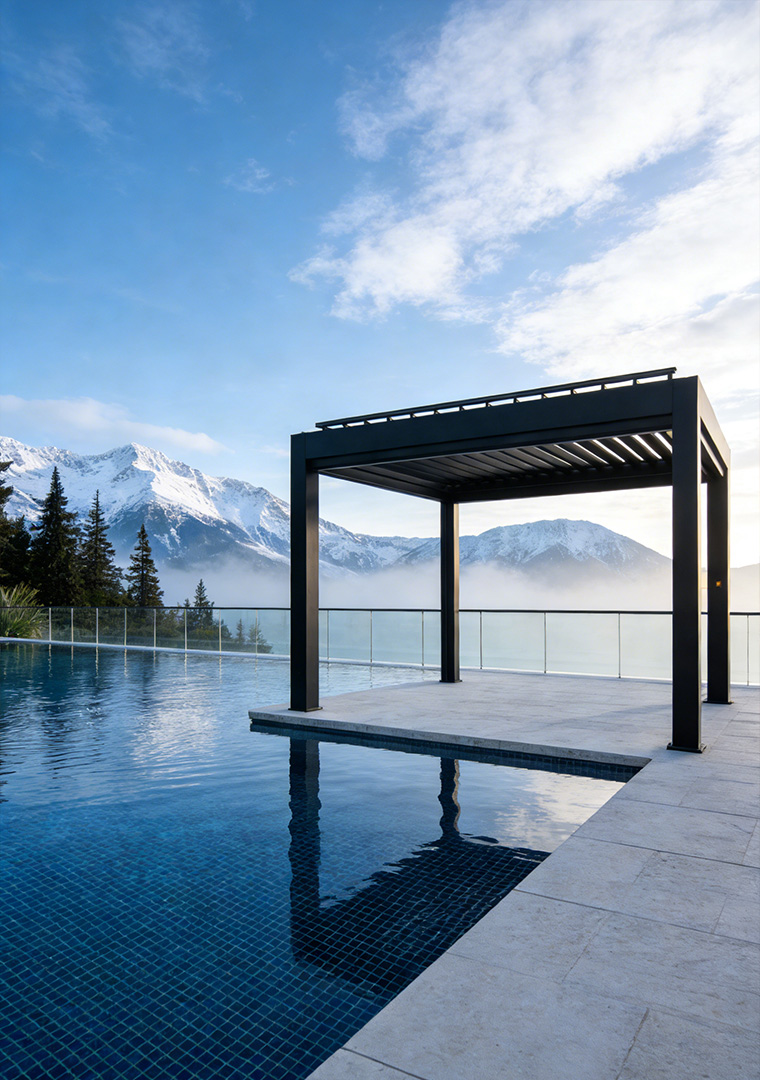
Start with the pain: guests avoid hot terraces, staff get soaked during rain, parking spaces offer no shade and roofs generate no income. The fix is straightforward. Mount a structural pergola that supports photovoltaic panels. It does two jobs at once — shade and generation. You get cooler outdoor zones, lower peak electricity use, and a physical asset that improves property value. Small retrofit, visible impact.
Where commercial pergolas make measurable difference
Restaurants convert sidewalk seating into all-weather dining. Office campuses create shaded collaboration areas that keep teams outdoors more and HVAC load down. Retail car parks reduce heat island effects and offer shaded bays that customers prefer. Hotels add poolside canopies that run pumps and lights. Transit stops and school yards gain shelter plus clean power. These are direct, repeatable wins — not hypothetical benefits.
Benefits that matter to decision-makers
Reduced peak demand and lower bills. Usable outdoor space that keeps customers longer. Clear branding opportunity with integrated lighting and signage. Deferred capital outlay compared with full roof solar retrofits. Faster permitting in many localities for canopy structures. Improved tenant attraction and retention through tangible amenities.
Buying checklist — practical considerations
Structural capacity first: check wind and snow loads for the site. Panel layout next: tilt affects generation and shading quality for sitting areas. Electrical scope: tie-in point, inverter placement, and metering. Permits and fire access: local codes often dictate setback and clearance. Maintenance: panel cleaning access and rust-resistant materials. Warranty details: separate warranties for modules, inverters, and structure. Financials: model simple ROI using local tariffs, incentives, and expected production. Ask for real production estimates, not optimistic projections.
Common mistakes that break good projects
Buying only for looks. Panels too steep or too flat for the site. Ignoring glare towards neighboring windows or drivers. Forgetting drainage and water runoff under the pergola. Skipping integrated wiring paths and instead tacking conduit on later. Accepting a one-year workmanship warranty for a structure meant to last decades. These errors add cost and reduce value — avoid them early.
Experience and authority — what to trust
I’ve seen installers fix rooftop shading mistakes by reorienting canopies and replacing mismatched hardware. Many commercial pilots across California show canopies delivering reliable midday generation and customer comfort, which is well documented in energy industry reports. For a practical, current reference, consider a modern approach like the modern solar pergola, which illustrates how structural design and PV integration work together in commercial settings.
Decision steps for busy managers
Measure the space and usage profile. Get three proposals: structural engineer, PV manufacturer, and installer. Compare estimated kWh, warranties, and total installed cost. Factor soft benefits: more seatings, longer customer dwell time, and tenant satisfaction. Prepare clear maintenance responsibilities in the contract. Choose the option that balances production and durability for your climate and business rhythm.
Final synthesis — real value without fuss
Commercial pergolas solve real business problems: they give shade, cut energy spend, and create usable outdoor space — fast. When design, engineering, and proper procurement align, the result is a durable asset that keeps customers comfortable and reduces operating costs. For many projects, that balance is exactly what a partner like Light Hunter helps deliver, quietly aligning structure and solar to make the outdoor space work harder and smarter.