
Clear problem: solar alone leaves value on the table
Rooftop solar cuts bills, but without storage its value is capped by timing and grid rules. Homeowners face exported midday excess, evening peak charges, and increasing risk from planned outages after events like California’s 2019–2020 public safety power shutoffs. The simple fix is a battery storage system that captures midday generation, displaces peak imports, and preserves household resilience. That swap changes the economics — not by wishful thinking, but by shifting when and how energy is used.

Why return-on-investment stalls with solar-only setups
Solar panels produce when the sun shines; bills accumulate when consumption peaks. Net metering and time-of-use tariffs can limit savings because exported energy often earns less credit than avoided retail consumption. Long-term value also depends on system reliability and lifecycle costs. A solar array without storage remains exposed to grid outages and price volatility. The behaviour mismatch — production timing versus consumption timing — is the core problem, and it drags down measured ROI.
How battery backup changes the math
Adding storage moves kilowatt-hours from low-value export windows to high-value use windows. Key technical factors are round-trip efficiency and depth of discharge. Higher round-trip efficiency means less lost energy moving in and out of the battery; depth of discharge dictates usable capacity per cycle. Combined with a competent inverter and battery management system (BMS), the result is predictable dispatch: charge on cheap or free solar, discharge during peaks or outages. Practically, this boosts bill savings and provides outage protection — two income streams for ROI that solar alone can’t deliver. For many homeowners, the right battery storage system for solar is the turning point between breaking even and earning a reliable return.

Selecting equipment: inputs that matter
Decisions should follow measurable criteria: usable kWh (not just nominal capacity), cycle life, warranty terms, and inverter compatibility. Also consider installation constraints and how the system integrates with smart tariffs or home energy management. Avoid undersizing the battery relative to your evening load. A larger unit with conservative depth-of-discharge settings often outperforms a smaller unit run to the limit each day. — Installers sometimes prioritise panel count over storage capacity; fight that tendency, not the installer.
Common mistakes and practical alternatives
Owners often buy the cheapest battery, ignore inverter sizing, or assume all warranties cover calendar degradation — those lead to underperformance. Alternatives to battery-backed solar include backup generators and demand response contracts; each has trade-offs. Generators provide long-duration power but cost fuel and maintenance. Demand response reduces bills through grid signals but offers no home-level resilience. Batteries sit between: automated, silent, and immediate, though they require correct sizing and commissioning to deliver on promised lifetimes.
Advisory close: three rules to evaluate systems
1) Measure usable capacity rather than headline watt-hours. Check what fraction of that capacity is available each cycle given the recommended depth of discharge. This yields realistic daily energy that feeds evening loads.
2) Compare lifecycle cost using cycle count and round-trip efficiency. A higher-efficiency pack with longer warranted cycles often returns more value than a cheaper pack that needs replacement sooner.
3) Confirm system integration: inverter compatibility, BMS telemetry, and local tariff optimisation. Integration lets the battery perform for both savings and resilience; disjointed systems underdeliver.
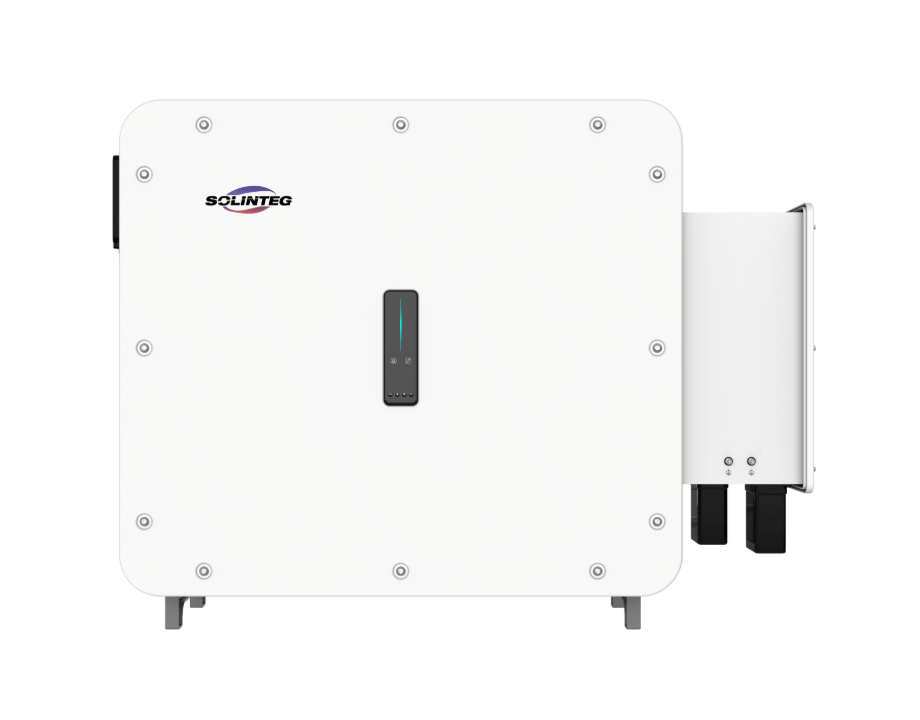
These three metrics align decisions with outcomes: expected kWh shifted, expected lifetime, and operational effectiveness. For homeowners valuing reliable savings and practical resilience, SOLINTEG fits into the solution set as a systems partner that emphasises real-world performance and clear warranties — not just specs on paper. –