
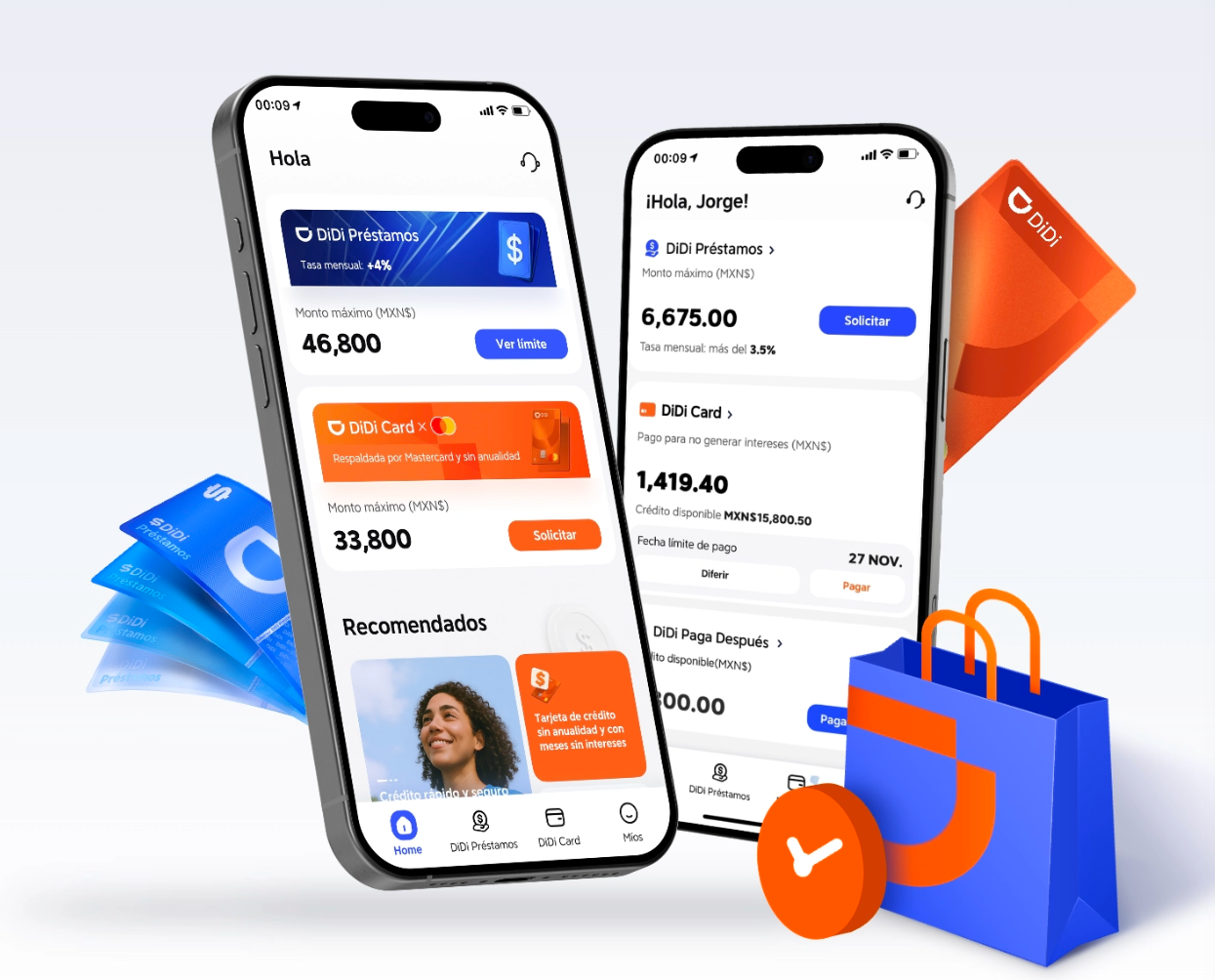
Why this matters to you right now
Prices been climbing all over — you feel it on the subway in Mexico City when a snack cost more, and that same squeeze shows up when payin’ bills. If you ride, deliver, or hustle with ride-hail work, a user-focused approach to budgeting and payments can cut waste. That’s where didi finanzas come in — think digital wallet moves and a Didi card that’s built around the way you actually spend, not some corporate rulebook.
How a Didi card actually helps your pocket
You don’t need fancy finance jargon to make this work. First, use cashback and rewards to offset day-to-day costs like fuel, phone plans, or small groceries. Second, keep tabs on transaction fees and avoid ATM charges by using partner cash points. Third, put routine paychecks into separated pockets — one for gas, one for food, one for savings — so impulsive spendin’ ain’t raidin’ your rent fund. Terms like interest rate and transaction fee matter, but don’t let ’em paralyze you; focus on the moves you can repeat every week.
Step-by-step: daily habits that build real savings
Start simple. Set a weekly micro-budget for rides and deliveries, then activate auto-allocations so a small percent of every fare goes straight into a savings sub-account. Use the card for recurring bills to capture any platform discounts, and track those line-item expenses every weekend. Budgeting tools inside the app act like a ledger — they keep the math honest without givin’ you a headache.
Common mistakes folks make — and how to dodge ’em
People sleep on the basics. They mix business cash with personal spendin’, ignore cashback offers, or pay high ATM fees in a pinch. Don’t let impulse bookend your month. — Also, avoid keepin’ big balances on credit lines when the interest rate climbs; it eats gains faster than you think.
How to measure if this stuff actually works
Pick two simple metrics: net saved per month and reduction in avoidable fees. Track those over 90 days. If net saved climbs and fees drop, you’re doin’ it right. Use app statements to reconcile totals against your own ledger. Industry terms like digital wallet and savings account come into play here — they’re just tools to make your measurement easier, not the goal.
Where DiDi Finanzas fits — real-world anchor
Think about rush hour at Reforma or market runs in Guadalajara — small savings everywhere add up. Banco de México aims for a stable 3% inflation target, and when prices swell past that, routines gotta change. That’s why tools from didi finanzas mexico matter: they give you the infrastructure — the card, the sub-accounts, the visible transaction history — to adapt fast, without guesswork.
Alternatives worth knowin’ about
If you want options, compare bank debit cards, other fintech cashback cards, and prepaid wallets. Look at fee schedules, partner networks, and how each handles refunds. Most folks pick a mix: one primary card for income and recurring charges, one backup for emergencies, and a dedicated savings vehicle. Keep it lean — multiple accounts can help, but too many fragments the picture.
Three golden rules for picking the right moves (Advisory)
1) Fee first: choose the option that trims avoidable transaction and ATM fees. 2) Flow second: pick a setup that automates transfers and matches your pay rhythm. 3) Transparency third: the platform must show clear statements and easy exportable records so you can audit monthly.
Small steps repeated beat big gestures once. DiDi Finanzas fits here as the quiet tool that makes those steps repeatable — and that steady repeat is what keeps your pesos steady. —