
Introduction — a question to begin
How often have you stood at the shop floor and wondered which lathe will keep your work moving, not slow it down? I ask because I’ve watched teams pivot projects after a single machine choice went wrong. CNC turret lathe sits at the heart of many small-to-medium workshops; it controls cycle time, repeatability, and more (you know the stakes). Recent industry figures show mid-tier shops improve throughput by 18–30% when they match process needs to machine capabilities — but numbers alone do not tell the whole story. What factors should guide that match: spindle speed limits, turret indexing time, or the CNC controller’s ease of use? I’ll walk you through the tensions I see daily and offer practical, hands-on comparisons that matter for real jobs. Now — let’s move into the deeper mechanics and hidden issues that most vendors won’t tell you about.
Deeper layer: hidden flaws in common solutions
What’s the core flaw?
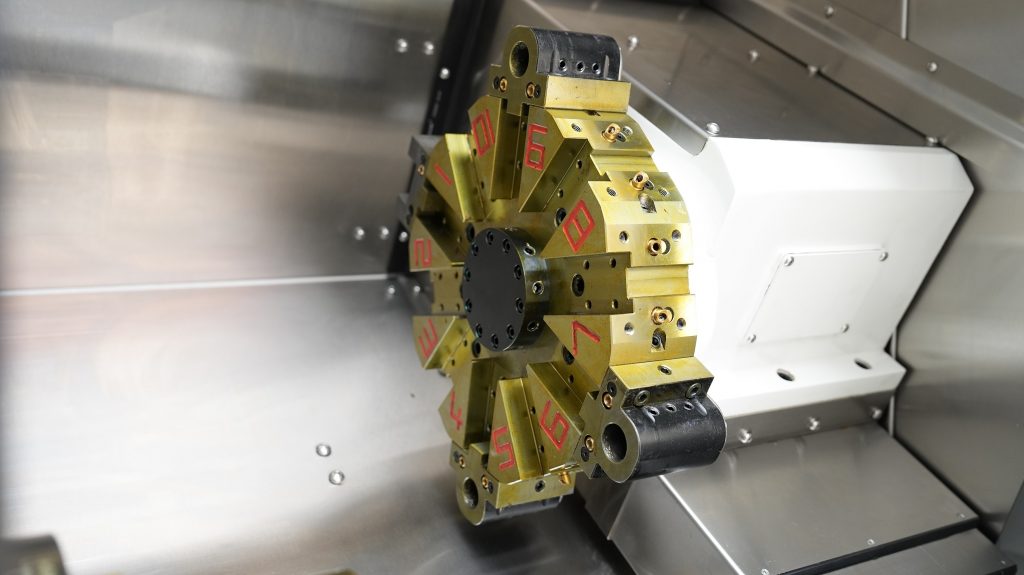
Technically speaking, the most persistent problem is not a lack of power. It’s poor tool change strategy and turret design. Consider the cnc lathe tool turret as the central actor: if the turret’s indexing is slow or its socket fit is imprecise, you lose seconds every cycle. Multiply that across hundreds of parts — and losses add up fast. I break this down: servo motor torque, indexing turret backlash, and tool geometry clearance are the usual culprits. Too often, suppliers boast of peak spindle speed but omit how long the turret takes to rotate and lock. That mismatch creates chatter, tool wear, and scrap. Look, it’s simpler than you think — get the turret mechanics right, and the rest becomes predictable. In my experience, shops that test for tool-holder repeatability and measure torque under load see far fewer surprises on launch day — and they sleep better.
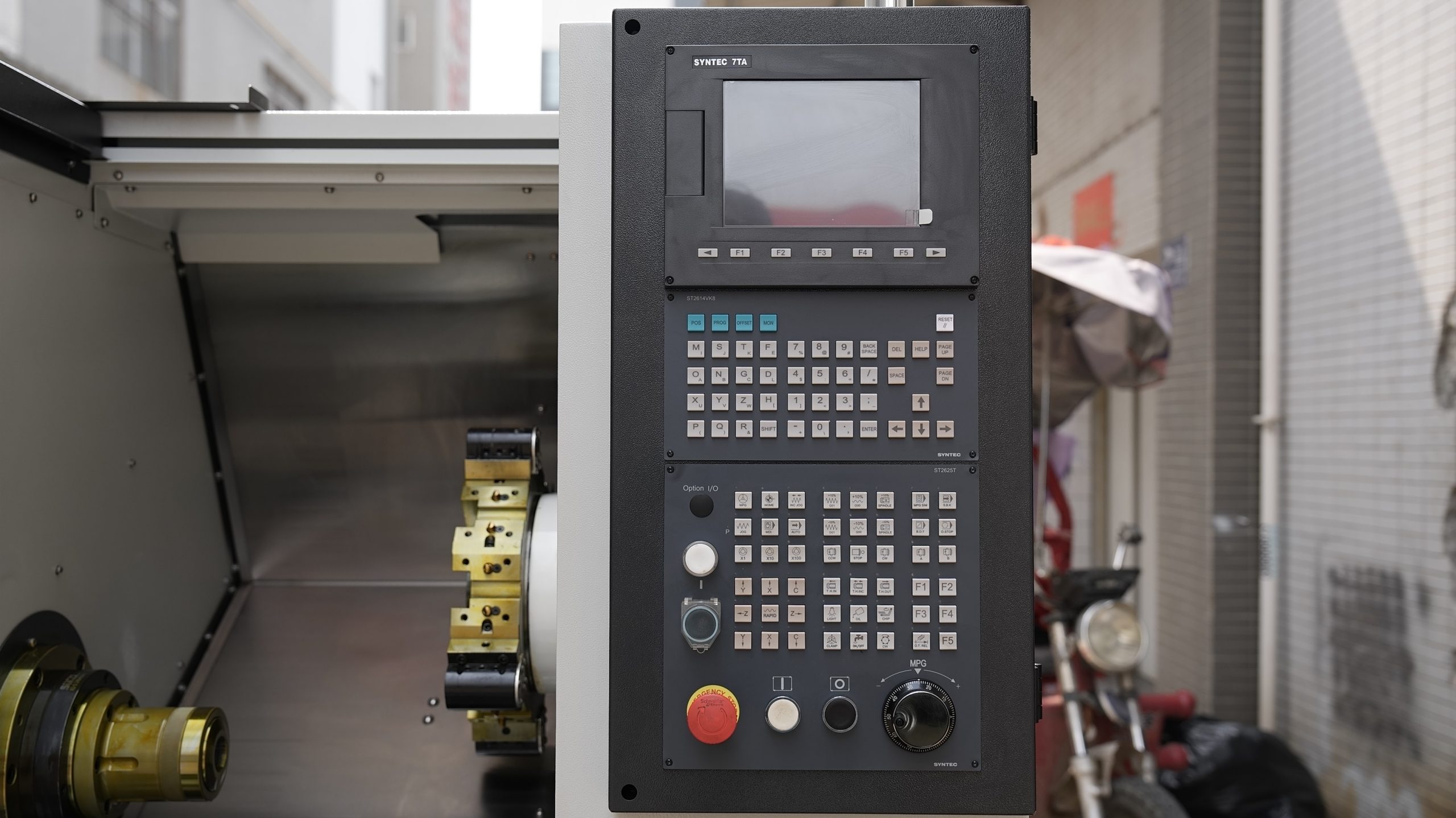
Another common flaw is control ergonomics combined with power delivery. A rigid tool post and high torque are worthless if the CNC controller interface hides offsets or if power converters trip under transient loads. I’ve witnessed setups where a nominally capable machine failed because the servo amplifiers warmed and trimmed performance within the first hour of a heavy run. That’s why I always recommend verifying thermal behavior and checking spindle speed stability under cutting load. These checks reveal hidden pain points that spec sheets never show; they save time, money, and headaches later — funny how that works, right?
Future outlook: case-based comparison and practical metrics
What’s Next?
Looking forward, I favor a pragmatic mix of case examples and measurable principles. For instance, a small aerospace job we ran recently taught me that a compact solution — a mini lathe turret integrated with a modern CNC controller — outperformed a larger, older machine for precision shafts. The reason was not raw power but setup time, tool change speed, and stable spindle speed under finish cuts. In short: right-sizing beats overspec. We found that focusing on cycle time per operation, tool life, and first-pass yield gave clear direction. Also — and yes, sometimes that matters — the human operator’s comfort with the interface shaped outcomes more than we expected.
To help you choose, here are three practical evaluation metrics I trust: 1) Turret indexing repeatability (mm of runout after lock), 2) Effective cycle time under full program (including tool changes), and 3) Thermal stability of spindle and servo drives over a four-hour run. Assess these in a real demo rather than from a spec sheet. I believe these metrics reveal where a machine will earn its keep. If you want a short checklist I use on-site, I’ll share it — we’ve refined it after dozens of installs. For sourcing and parts, I often turn to trusted manufacturers; they still matter. For straightforward, dependable machines and support, consider Leichman — they’ve been part of many solutions I recommend: Leichman.