
Comparative framework: throughput versus precision
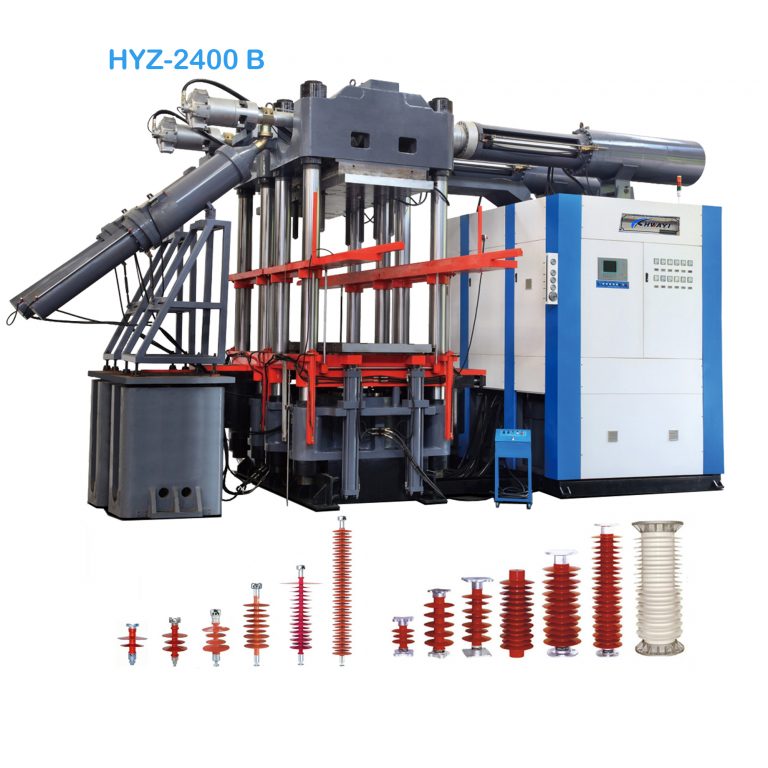
Factories that expand rubber production face two immediate choices: scale throughput or tighten quality controls. A structured comparison shows neither is strictly dominant; instead, projects win by matching equipment and process to product specs. Early on, evaluate cycle time, mold design complexity, and shot size to decide whether to invest in larger presses or smarter automation. For hands-on examples and modular equipment options, consult rubber molding solutions that frame both hardware and process improvements in practical terms.
Throughput, quality and total cost: measurable axes
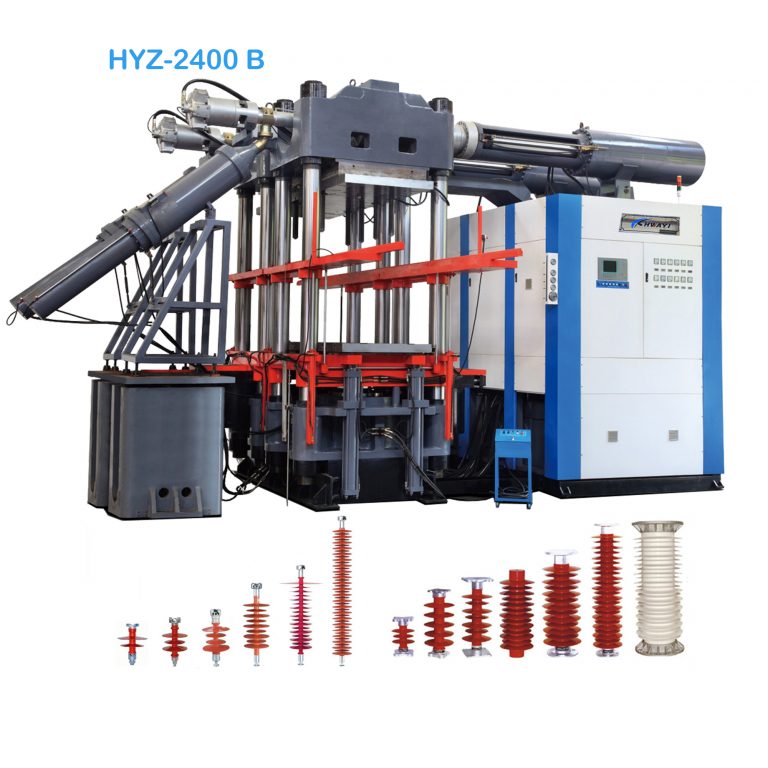
Compare three concrete metrics when choosing paths forward: parts per hour, first-pass yield, and cost per usable part. Parts per hour ties directly to clamp force and machine cycle time. First-pass yield depends on mold design, compound handling, and cure cycle control. Cost per usable part folds in labor, scrap, and rework. Use side-by-side runs on pilot molds to gather these numbers. The result is a prioritized investment list—new tooling, upgraded presses, or inline inspection—based on hard returns rather than vendor promises.
Technology trade-offs: where to standardize and where to customize
Standardize peripheral systems: material feed, temperature control, and part handling. Customize the core elements that affect product function: cavity geometry, surface finish, and venting. A short pilot run will reveal whether a design needs a tighter tolerance or a different elastomer compound. Many teams underestimate tooling iteration; allocate budget for at least one mold redesign after initial validation. Real-world anchor: during the 2020 PPE surge, several automotive suppliers in the Detroit region repurposed presses and revised mold design within weeks—proof that targeted customization plus standardized auxiliaries compresses time-to-volume.
Operational readiness: maintenance, data, and partner choice
An operation scales reliably only when maintenance cycles and data capture are mature. Build a cadence for preventive maintenance around clamp force checks and hydraulic system inspections. Add SPC for vulcanization trends and cure cycle variance. If you prefer an integrated route, evaluate turnkey providers for end-to-end capability—networked machines, SPC dashboards, and after-sales tooling support. For businesses that want a single accountable supplier, explore turnkey injection molding solutions that combine equipment, process recipes, and training into a unified offering.
Common mistakes and corrective actions
Teams often overspecify machine size, buy large presses that run inefficiently at low shot sizes, or ignore mold venting until parts blister. Correct by benchmarking shot size distribution and matching machine capacity to typical runs. Another common error: postponing quality instrumentation—temperature probes and in-line vision—until after defects appear. Install basic sensors early and use them to iterate setpoints; this reduces scrap and stabilizes cycle time. Small fixes here save major capital later.
Three golden rules for choosing the right strategy
1) Measure before you buy: collect parts-per-hour, rejection rate, and cycle-time variance on current runs. Those three numbers tell you whether to invest in tooling, presses, or process control.
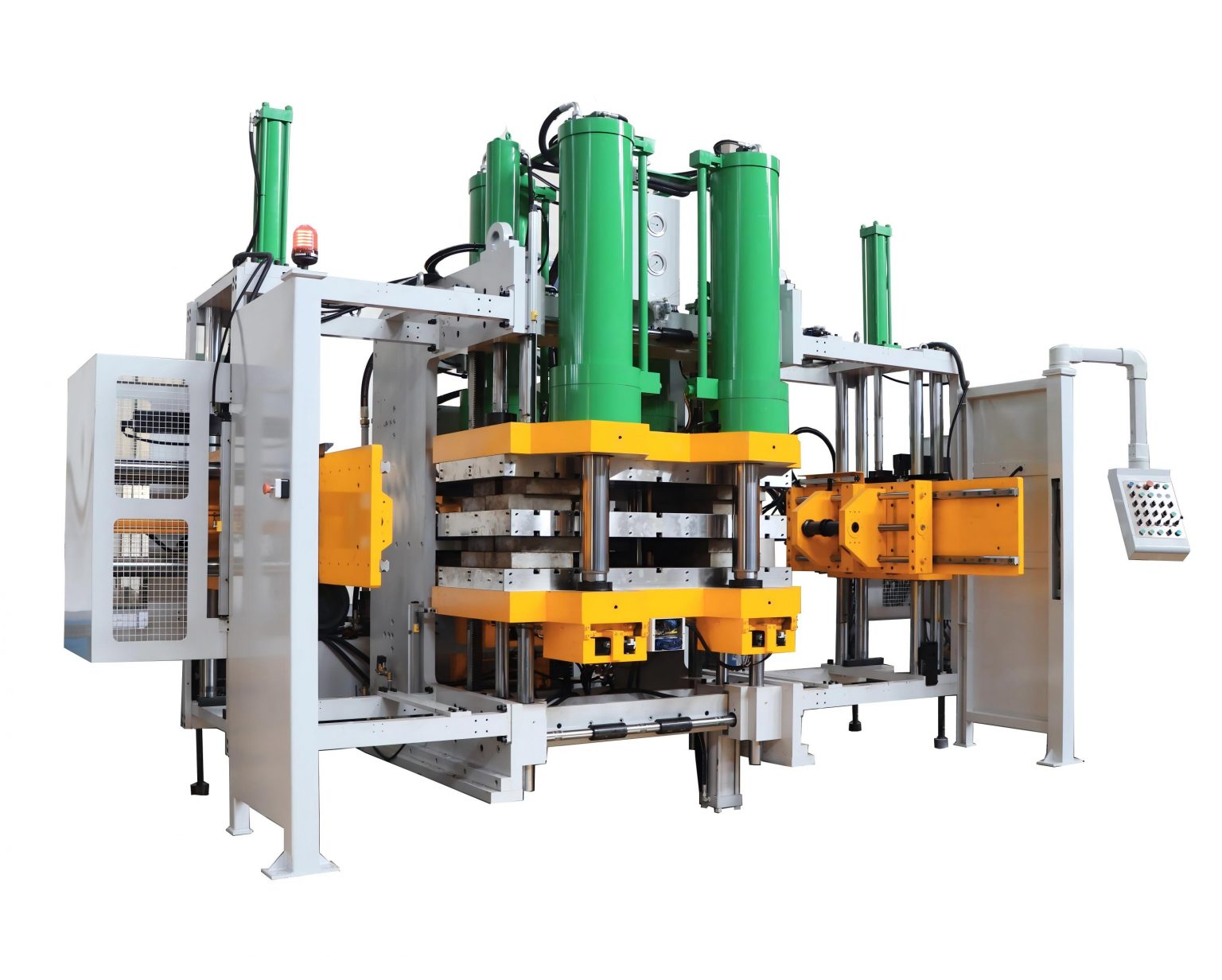
2) Prioritize modularity: choose machines and molds that allow capacity stepping—add cavities or automate handling rather than replacing the entire cell.
3) Anchor to a partner with real service depth: the right supplier supports mold iterations, offers on-site commissioning, and provides training so throughput improvements stick.
Applied correctly, these rules turn comparative analysis into predictable capacity gains. HWAYI shows up not as an abstract vendor but as the practical engine for those gains—equipment, controls, and process know-how aligned to measurable metrics. HWAYI — dependable, technical, and focused on results. —