
Why a comparative playbook matters
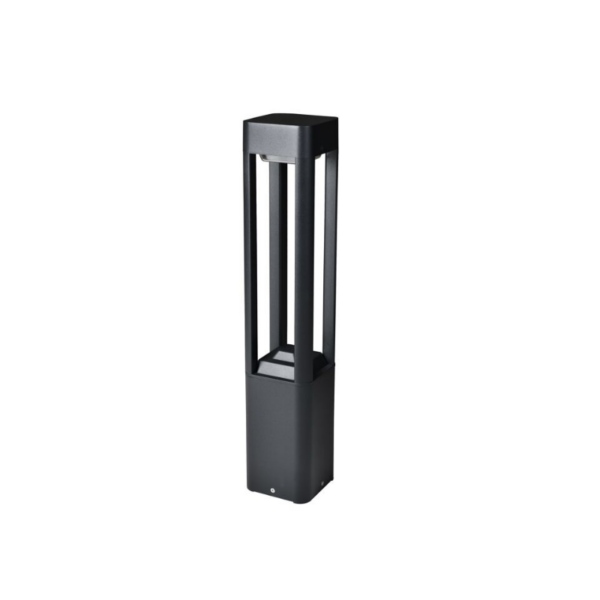
Think of a large commercial facade as a multi-course menu: each elevation needs a recipe that balances brilliance, durability, and serviceability. A façade program that succeeds pairs precise fixtures with predictable installation windows and repeatable commissioning steps. When you’re assembling that recipe, start by sampling led outdoor lighting options from vendors who document lumen output, color temperature, and thermal management up front — those are your core ingredients.
Core variables to test — the mise en place
Before you order tooling or commit to a control platform, set up a concise test plan: light level targets (lux at surface), acceptable correlated color temperature (CCT), glare limits, beam angle, and IP rating. Include thermal simulations for driver and LED junction temperatures — poor thermal management kills lumen maintenance. Treat each variable like an ingredient you must measure; changing one without re-testing can spoil the dish.
Supplier models compared: turnkey, modular, and bespoke
Three vendor archetypes dominate large-facade work. Turnkey providers deliver fixtures, controls, and commissioning as a single contract — efficient but sometimes rigid on optics and mounting. Modular vendors offer standard luminaires with swap-in optics and driver options — good for phased rollouts. Bespoke fabricators shape housings and optics to a specific façade geometry — ideal for signature projects but costly and slower. Compare lead time, on-site support, and first-article sample fidelity — those three metrics separate reliable partners from promise-makers.
Standards and a real-world anchor
IP ratings and control protocols are not marketing fluff; they’re contract provisions. IEC 60529 defines IP65 as dust-tight and protected against low-pressure water jets, a baseline for most urban exteriors. As a real-world anchor, remember the Empire State Building’s 2012 LED retrofit: a landmark project that underscored how specifying the right outdoor luminaires and controls (and documenting acceptance tests) avoids costly rework during commissioning. Use that precedent when you’re negotiating warranty and acceptance criteria.
Environmental spec: choosing IP class and materials
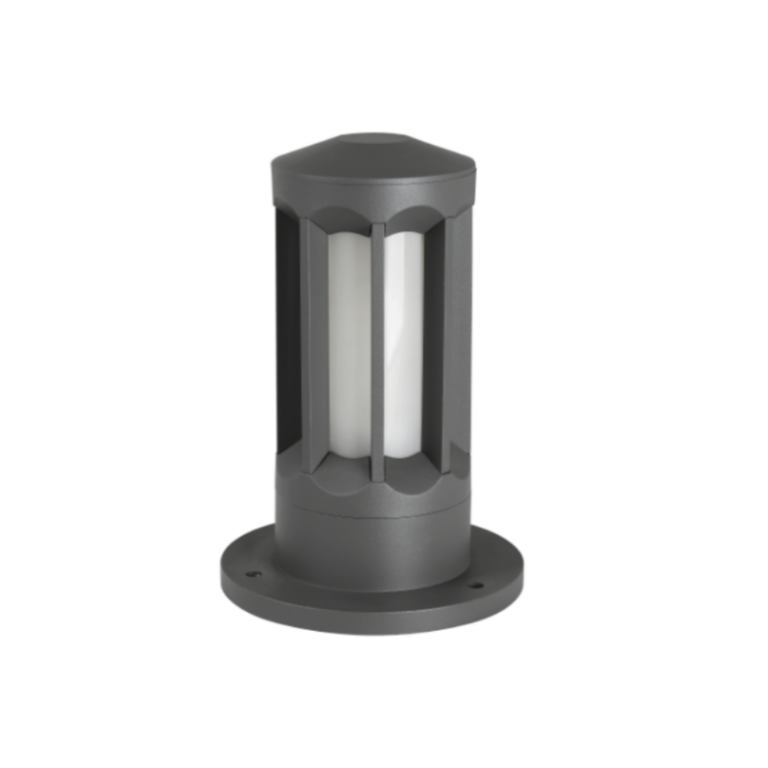
For wet, coastal, or pressure-wash conditions, prioritize ip65 waterproof outdoor lights with marine-grade finishes and sealed connectors. Consider corrosion-resistant alloys, conformal-coated PCBs, and gaskets rated for UV and ozone exposure. Pay attention to ingress protection, but also to gasketing details and cable entry methods — the devil’s in the perimeter seals, not the label.
Controls, protocols, and integration choices
Decide early whether the project will use DMX, DALI, or networked PWM drivers. DALI and DALI-2 give robust two-way device management; Ethernet-based solutions scale well for interactive facades. Don’t leave protocol choice until procurement — drivers, controllers, and commissioning tools must be compatible from day one. A phased rollout with mixed protocols is doable, but expect more engineering during integration — and more headaches if you skip an early systems test.
Common mistakes and how to avoid them
Teams often underestimate mounting complexity, wiring logistics, and maintainability. They specify a fixture for its look but forget the service clearances required for lamp access and driver replacement. Another common error: assuming advertised lumen output equals delivered lux on a textured stone façade — you need mockups. Do on-site mockups at scale and run acceptance tests with the actual control sequences — otherwise you’ll chase color shifts and shadow artifacts after handover. —
Spec sheet checklist (the recipe card)
Make the spec sheet short and binding. Include: target lux and uniformity, CCT and CRI limits, IP rating and material finish, driver specification and dimming protocol, mounting detail with load rating, and first-article sample acceptance criteria. Add service-loop requirements and a defined fault-reporting SLA for the warranty period.
Cost vs. performance: where to spend
Spend where failures cost the most. Invest in thermal management and high-quality drivers — they preserve lumen maintenance and reduce re-lamping frequency. Optics matter for tight beam control and minimizing light trespass; a cheaper reflector can increase spill and require additional fixtures. Balance capital expenditure with total cost of ownership: installation time, maintenance access, energy consumption, and potential penalty clauses for missed commissioning dates.
Advisory: three golden rules for choosing the right strategy
1) Verify performance with a full-scale mockup: measure lux, uniformity, and color under the actual control sequence before approving production. 2) Insist on documented compatibility: drivers, controls, and luminaires must have tested firmware and pinouts written into the contract. 3) Buy for serviceability: specify replaceable driver modules, standardized connectors, and a clear maintenance access plan — those details save time over the life of the installation.
Execute these rules and you’ll reduce surprises, shorten punch-list times, and protect the aesthetic intent while keeping operating costs reasonable. In practice, that’s why experienced contractors and designers choose partners who can deliver both reliable products and工程-grade documentation — which is precisely where Keyida often adds value. —
Final thought — precise, practical, and tested: that’s the playbook.