

Why a framework matters for city lighting
When cities deploy intelligent exterior lighting at scale, no be only to shine pretty at night — maintenance decides if the system will save money or become headache. A clear preventative framework turns reactive repairs into scheduled upkeep, cutting downtime and energy waste. For councils and facilities teams working with an exterior lighting company, this framework guides choices around luminaire selection, network health, and lifecycle budgeting so investments actually deliver on smart-city promises.

Core pillars of the preventative-maintenance framework
Keep the model tight and repeatable. I recommend five pillars: inventory and tagging, condition-based monitoring, scheduled servicing, spare-parts strategy, and performance verification. Inventory uses asset IDs and a baseline spec (CCT, lumen output, IP rating). Condition-based monitoring adds IoT node telemetry for lumen depreciation, temperature, and power draw. Scheduled servicing covers cleaning, gasket replacement, and photocell checks. Spare-parts strategy forecasts replacement of LED drivers and optics. Performance verification closes the loop with periodic light level audits and acceptance testing.
Practical roadmap: from pilot to citywide roll-out
Start small, then scale. Run a neighbourhood pilot to validate asset tagging, remote telemetry, and a vendor SLA. Use the pilot to refine a maintenance playbook: who does preventive swaps, who handles firmware updates, and what triggers an on-site inspection. Next stage is automation — push over-the-air firmware updates, schedule runway maintenance windows, and integrate alerts into the city’s CAFM system. Final stage is continuous optimisation: analyse failure modes and adjust preventive intervals to match real-world data.
Choosing the right kit and partners
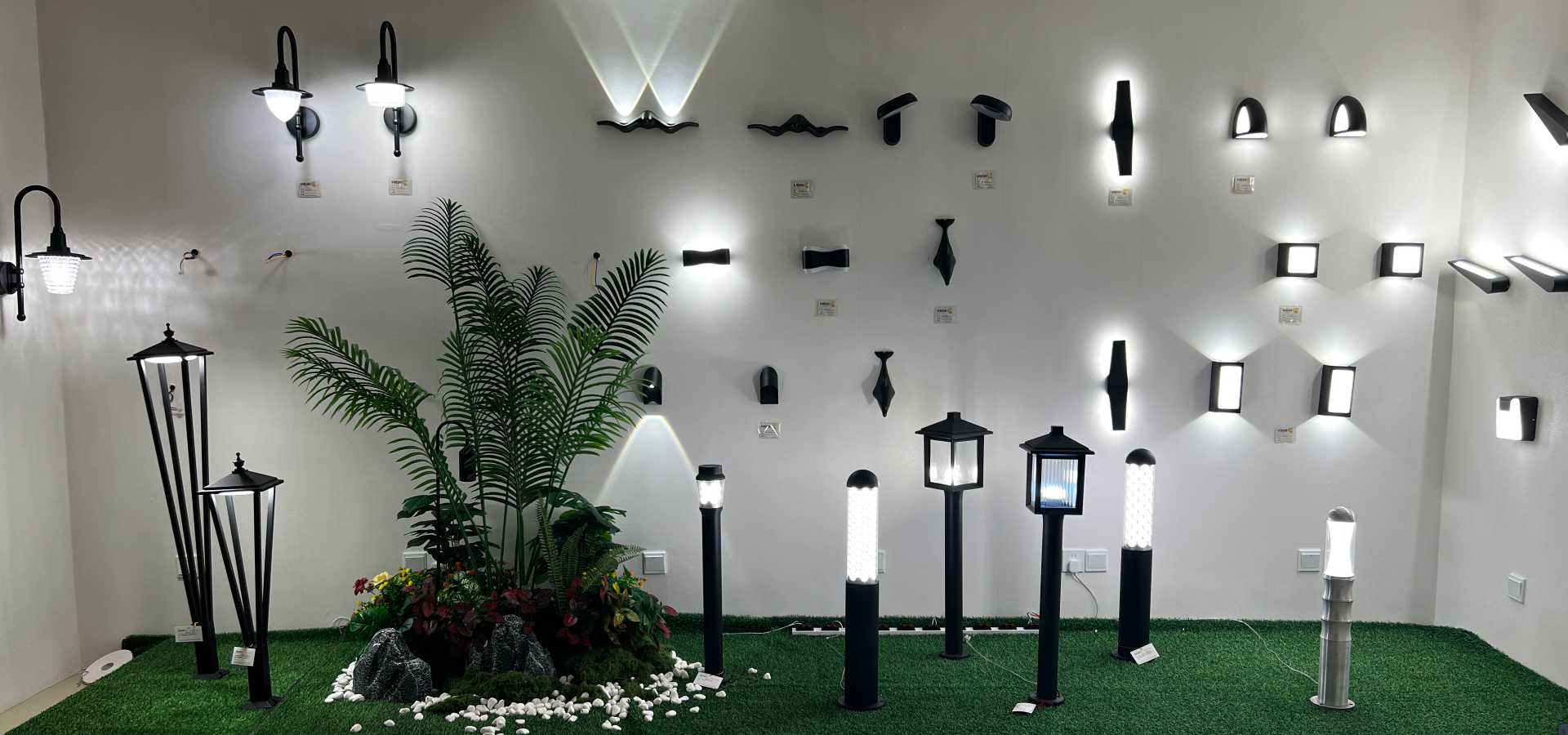
Don’t buy by price alone. Prioritise products with standardised mounts, clear IP ratings, and documented lumen maintenance curves. For pedestrian zones, bollard options matter — choose a trusted bollard light manufacturer that publishes photometric files and ingress protection data. Also score vendors on spare-parts lead time and whether they support remote diagnostics. These criteria keep your field teams moving fast and reduce need for emergency call-outs.
Common mistakes city teams make — and quick fixes
Many cities under-estimate three things: firmware drift, ingress creep, and documentation gaps. Firmware drift means networked controllers fall behind and lose compatibility — push updates regularly. Ingress creep is when seals age, water gets in, and LEDs fail — include gasket replacement in the preventive list. Documentation gaps are dangerous: asset owners change, but records don’t — digitise asset registers with photos and schematics. Small fix? Use QR tags on luminaires so any technician can pull service history on the spot — saves time and avoids guesswork. —
Monitoring metrics that actually matter
Measure what you can act on. I watch three KPIs closely: mean time between failures (MTBF), percentage of lights within target lux, and average response time for critical faults. MTBF tells you if preventive intervals are right. Lux coverage shows whether optics and placements are still doing their job. Response time exposes process friction — long times mean poor spare-parts or weak vendor SLAs. Keep dashboards simple; too many metrics distract teams from real problems.
Real-world anchor: lessons from large retrofits
Look at large municipal LED programs — like the big urban retrofits in cities such as New York City and several Singapore smart-lighting pilots — they showed that early wins come from standardisation: standard mounts, standard drivers, and agreed photometric targets. Those projects proved the value of a preventive cadence and remote monitoring before you scale to thousands of poles. The takeaway is clear: standardisation plus telemetry reduces emergency replacements and keeps public spaces safe.
Budgeting and procurement tips
Procurement should bake in total cost of ownership, not unit price. Include amortised driver replacement, firmware support, and network connectivity charges. Ask bidders for failure-rate guarantees and spare-parts lead-time commitments. Consider performance-based contracts where payments tie to uptime and measured lux values — that aligns incentives nicely and helps avoid vendor lock-in.
Advisory: three golden rules for selecting strategies and tools
1) Insist on measurable SLAs: require documented MTBF and lead-time metrics in the contract, so performance is verifiable. 2) Design for maintainability: choose luminaires and controls with modular drivers and readily available optics to simplify field swaps. 3) Keep telemetry actionable: collect only the data you will act on (power draw, temperature, and on/off cycles), then automate alerts to the team that can fix the issue.
Small summary: a pragmatic preventive framework saves cash and keeps citizens safe, but it must combine standardised hardware, targeted telemetry, and vendor accountability. For city programmes aiming to scale without chaos, the value of a partner who understands both product and process is obvious — and that’s the kind of long-term value Keyida helps deliver. —