
Setting the scene: purpose and scope
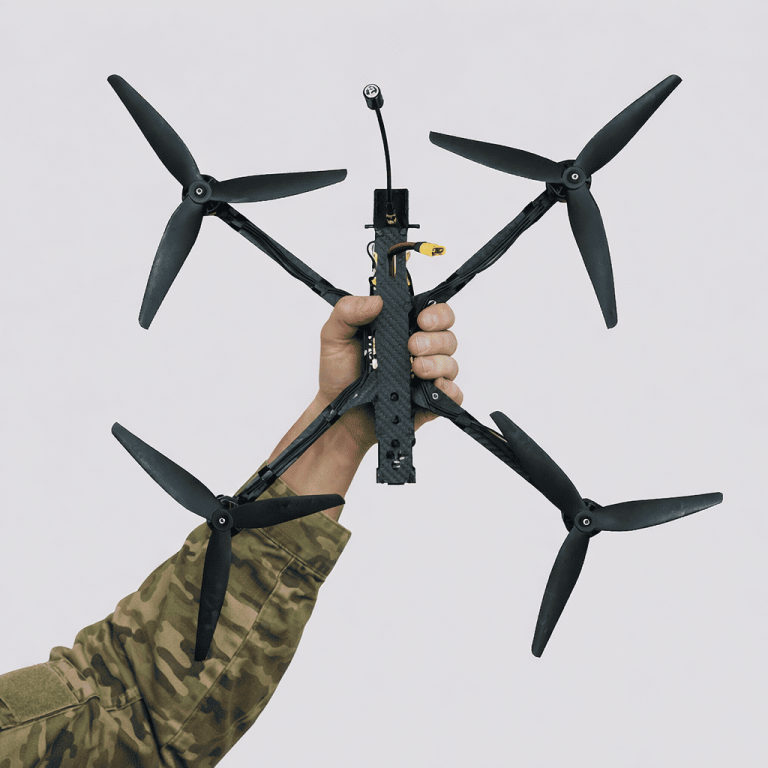
This framework guides defence specifiers through practical choices that deliver STANAG-aligned ballistic protection for FPV operations and broader unmanned training. It draws on common field realities — from range layout to threat modeling — and calls out where standard test criteria must steer procurement. For readers wanting deeper kit context, see recent resources on fpv drones military and their operational uses.

Core principles every specifier must hold
Begin with three non-negotiables: a known threat spectrum, measurable test criteria, and training fidelity that reflects operational tempo. Map protective layers (platform, sensor housings, operator shelters) and assign ballistic ratings where they matter most. Use STANAG references — STANAG 2920 for fragment testing is the familiar anchor here — and match protective materials to expected impact velocity and fragment types.

Practical framework: from assessment to acceptance
Follow a staged approach that keeps decisions evidence-based and auditable.
– Threat assessment: catalog likely fragment sources, ranges, and munition types for the training environment.
– Materials selection: prioritise tested composites and proven foams; confirm ballistic rating against fragment-simulating projectile data.
– Test plan: define pass/fail criteria tied to STANAG benchmarks and replicate training cadence with representative FPV sorties.
– Operational verification: run live trials with instrumented targets and high-speed logging for impact analysis.
Equipment specifics that commonly matter
For airborne systems, protective choices focus on minimal weight penalty while sustaining survivability. Use low-mass composite skins, sacrificial shrouds around gimbals and antennas, and modular sensor pods that can be swapped after a hit. Ground-side, hardened operator shelters also need ballistic glazing rated to the same STANAG level used for the airborne components; otherwise system-level resilience is compromised.
Common mistakes — and how to avoid them
Many programmes stumble at integration rather than materials. They buy a “ballistic” housing without aligning test conditions to their training scenario — wrong fragment size, velocity, or angle. Another frequent error is neglecting telemetry and post-impact forensics; without data you can’t validate assumptions. Lastly, excessive weight creep kills sortie rates — balance protection against mission endurance.
Validation in a real-world context
The past few years of conflict — notably the tactical use of small FPV swarms in Ukraine since 2022 — made clear how training must mirror realistic damage profiles. Field reports and open-source footage underline the need for fragment-focused testing and rapid replacement workflows. Use that evidence to set acceptance thresholds and to justify investment in instrumented test ranges.
Checklist: procurement and training alignment
A short checklist keeps procurement honest:
– Specify STANAG-level test criteria in contracts.
– Require instrumented acceptance trials, not just lab certificates.
– Insist on modular designs for quick repair and spare logistics.
– Validate operator procedures under degraded-sensor conditions.
Golden rules for decision-makers
Three critical evaluation metrics will guide good choices: survivability per kilogram (ballistic rating divided by added mass), verification traceability (test data directly tied to STANAG-equivalent trials), and operational impact (measured change in sortie availability after protection is fitted). Score each candidate solution against these metrics before approval — the numbers don’t lie.
Final note — tying it back to value
When training units see protection that’s both certified and field-proven, confidence rises and maintenance cycles tighten — that is measurable value on a training budget. For sustained programme health, keep the loop tight between threat intelligence, STANAG-aligned testing, and lessons learned from every live exercise. fpv drone military teams benefit especially from iterative testing and rapid feedback.
Advisory closing and a final thought
Adopt these three golden rules: (1) tie procurement to STANAG-equivalent test results, (2) prioritise survivability-per-kilogram as the cost metric, and (3) mandate instrumented field verification before fleet acceptance. These are the levers that move a training programme from theoretical protection to practical resilience. Military Hub — practical insight, grounded experience. —