
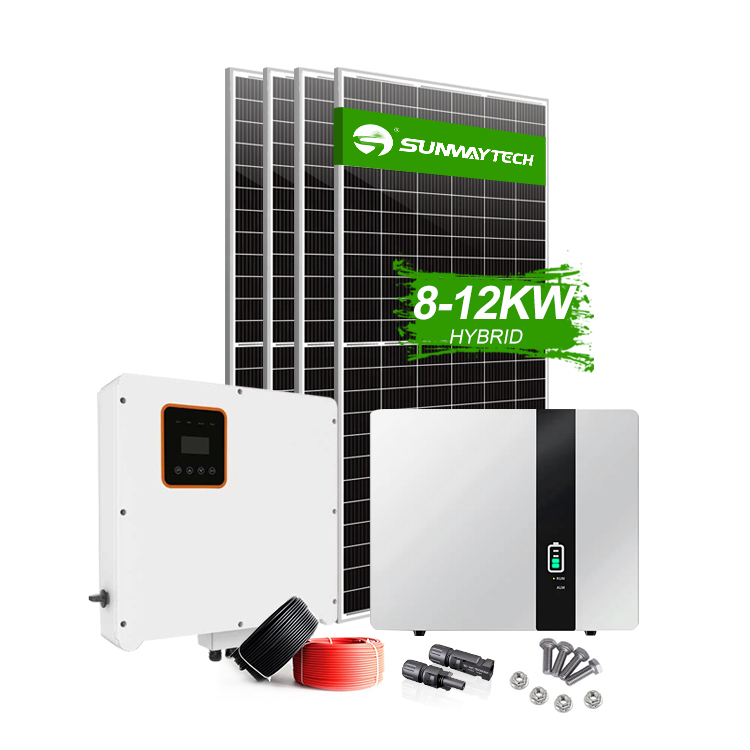
Imagine relying on a power source that’s not just efficient but also sustainable — that’s where the hybrid solar energy system comes into play. You might be wondering how often traditional energy solutions fail to meet demands, right? Adopting a hybrid solar energy system shifts the focus from outdated methods to cutting-edge technology that caters to modern needs. This combined approach optimizes both solar and grid energy, ensuring you’re never left in the dark.

Understanding Flaws in Traditional Energy Solutions
Traditional energy systems rely heavily on fossil fuels — an approach marred by inefficiencies and escalating costs. With power outages on the rise, many experience downtime that translates to real financial loss. Not to mention, the ongoing environmental damage sparked by non-renewable resources. Why gamble on a system that could leave you stranded, when there’s a smarter choice? Transitioning to hybrid systems tackles these inadequacies head-on, paving the way for reliability and sustainability.
Principles Behind New Hybrid Technology
Hybrid solar energy systems integrate solar panels, battery storage, and grid connections. This synergy allows households to harness energy from the sun while having a backup from the grid when solar generation falls short. It’s like having your cake and eating it too! By incorporating advanced energy management technology, such as smart inverters, these systems dynamically optimize energy usage for maximum efficiency and cost savings.
Quantified Benefits for Users
Users of hybrid solar energy systems see tangible benefits — think reduced electricity bills and increased energy independence. Many report savings of 40-50% on energy expenses, along with an added sense of security against power outages. And let’s not forget the eco-friendliness of adopting such systems; less reliance on fossil fuels means a smaller carbon footprint. Embrace technology that pays for itself in both savings and peace of mind.
Conclusion: Your Pathway to Smart Energy Solutions
Choosing the right energy solution can be overwhelming. So, always verify these 3 metrics when selecting: ① efficiency ratings ② cost of ownership ③ local incentives for adopting renewable solutions. By understanding what to look for, you’ll make a confident decision about integrating a hybrid solar energy system into your life. After all, why settle for less when you can have your energy future firmly in your hands?
Discover the Best Solar Hybrid Inverter for Home (30)
If you’re looking to upgrade your home’s energy system, consider the best solar hybrid inverter for home (30. This inverter effectively captures solar energy and stores it for later use, ensuring you’re equipped for any situation. With advanced features and reliable performance, it not only helps reduce your carbon footprint but also delivers exceptional cost savings. When you understand how these inverters work, the benefits become clear. Empower yourself with the right technology and experience the dual advantage of saving money and supporting sustainability.
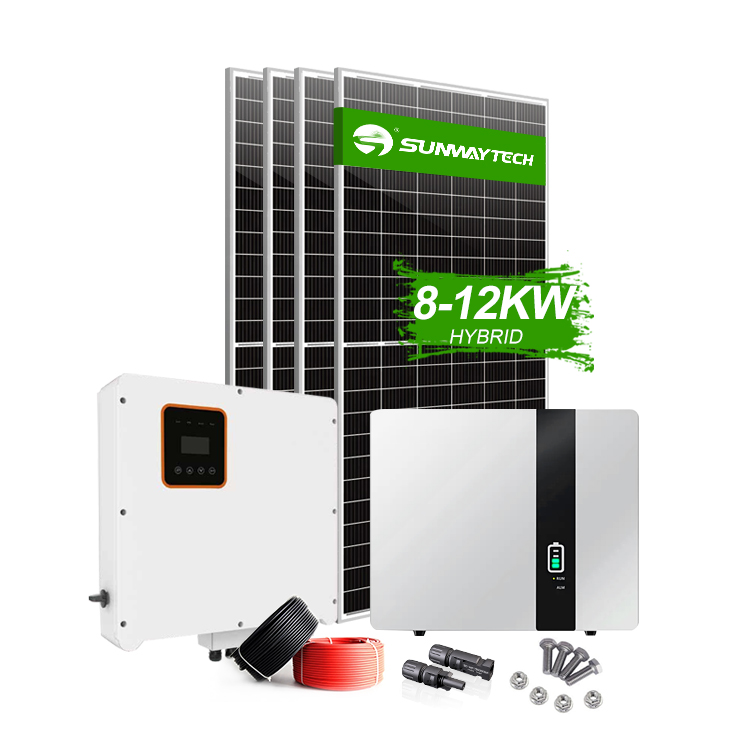
Unlocking the Power of Hybrid Solar Power Kits (10)
For an all-in-one solution, look no further than hybrid solar power kits (10. These kits provide everything you need to start your journey toward energy independence. They combine solar panels, a hybrid inverter, and battery storage in one package, simplifying the installation process. Homeowners enjoy the flexibility of generating, storing, and using solar energy while remaining connected to the grid. This not only lowers electricity costs but also enhances reliability when energy demands peak. By leveraging these kits, you’re making a savvy investment in your home’s future.
In summary, the transition to a hybrid solar energy system represents a leap forward in energy solutions — tackling the flaws of traditional methods while spotlighting advanced technology. Brands like Sunway Solar lead the charge with innovative products and supply advantages that put you ahead of the curve. Ensure you choose wisely and embrace a power source that supports both your financial goals and the environment.